It is a matter of how much heat you are prepared for that will determine the best season for hiking in Central Australia. Travellers as a rule will find April through September to be the time to do it; the Red Centre is more amenable to being put under foot then, with less rain and daytime temperatures that are not so trying.
The Larapinta Trail, Uluru, Kings Canyon and Alice Springs are at their most comfortable in autumn and winter. Spring is fine for a day walk or two, though one has to be mindful of the heat. You can hike in summer if you plan accordingly and have a constitution for hot conditions, but the walks will have to be short.
I am Isadora Northwood and have put together this guide to the practicalities of a trip to Central Australia so it is done in a safer, calmer fashion and with less of a sweat.
Hiking Seasons In Central Australia
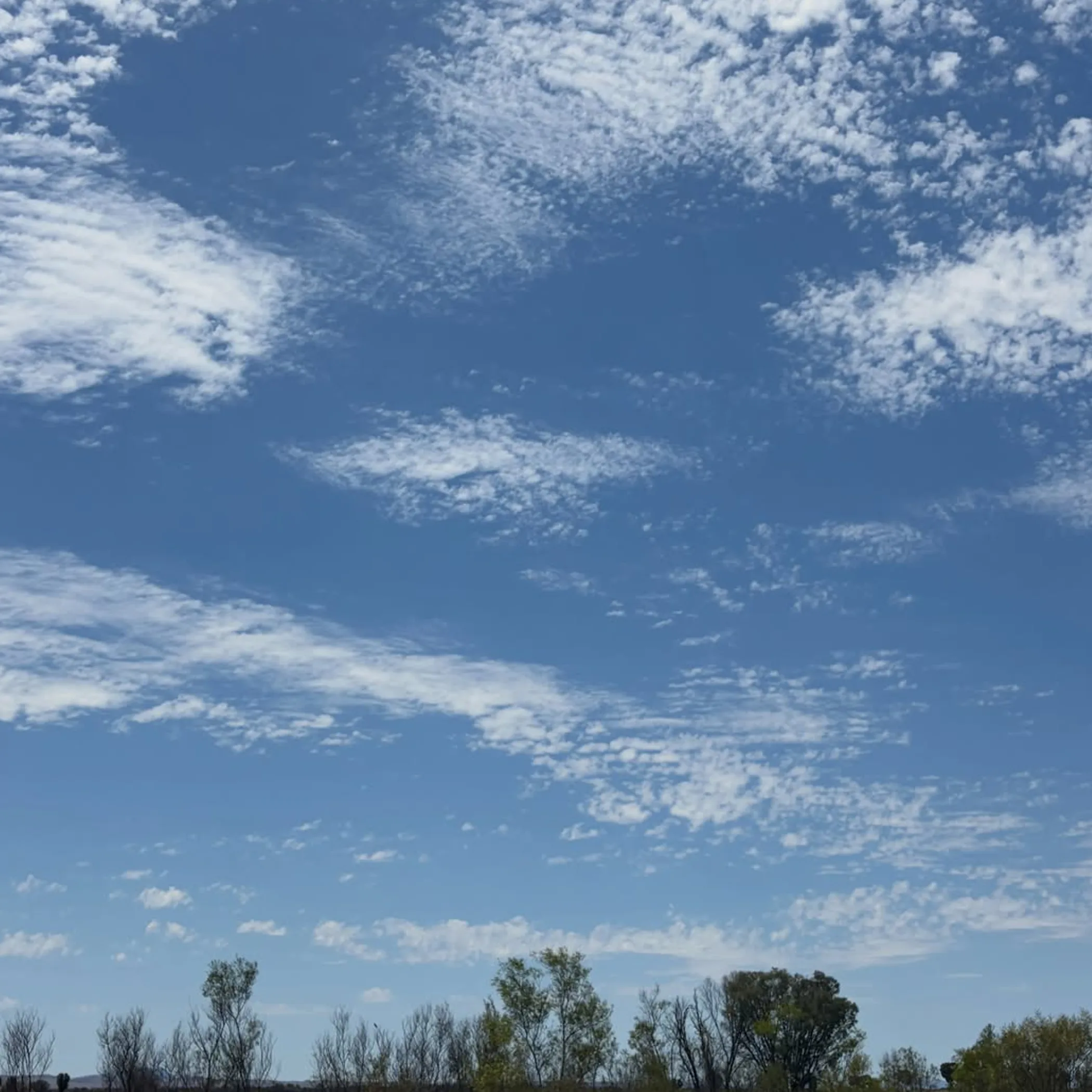
Being a desert climate, the seasons here have a way of feeling more pronounced than the calendar would have you believe. What was a cool morning can turn into an afternoon of blazing sun and in winter you might find yourself putting on every layer from your bag come nightfall. For planning, see the outback weather guide.
What follows is an overview to work with, not a guarantee. One should let the forecast and any park or trail reports dictate plans, given local conditions are subject to change.
Rain is not something to be dismissed despite the irregularity and low totals in Central Australia. There is always the prospect of a storm bringing flash floods and making the tracks and roads unpassable or closing a trail for a while. In summer they can come on fast; do not take a clear sky at breakfast as any kind of assurance.
Plan Your Trip Accordingly
A full day on the Larapinta, some time at Kings Canyon or a multi-day trek call for the autumn or winter months. Make it spring for a sunrise or a quick gorge walk and an itinerary flexible enough to let you call it a day before things get uncomfortable.
On a first visit I would put together a trip for May to August. The planning is easier with the warmer days and cooler temperatures, and since it is the height of the season in the Red Centre, one should not leave booking transport, accommodation or a guided walk to the last minute.
The Case For April To September
This is the most dependable window for hiking and it does away with the principal risk of the desert, which is overexertion in the heat. Hydration and protection from the sun remain a must but the day’s walking is not as arduous as in the late spring or summer.
There is room for variety too. Put in a longer track after breakfast and you will have the energy to see how the light plays on the ranges later. The mozzies are not so keen either, a small victory.
Crowds And Comfort
In winter you will share the trails with others who are after the same agreeable weather. It is the busiest time and the good places to stay near Uluru, Alice Springs and Kings Canyon go fast, school holidays and tour schedules being what they are.
Then there is the cost. Figures are estimates to aid in budgeting, not set in stone, as fees for parks, transfers and the like fluctuate. A budget traveller can put down $80 to $150 a head a day for food, local transport and a basic room; a lodge or guided option runs several hundred.
April, May and September are a good middle ground. The trails are not as packed as mid-winter and with an early start and a good supply of water these shoulder months are quite spacious without testing your character.
Autumn Hiking: April To May
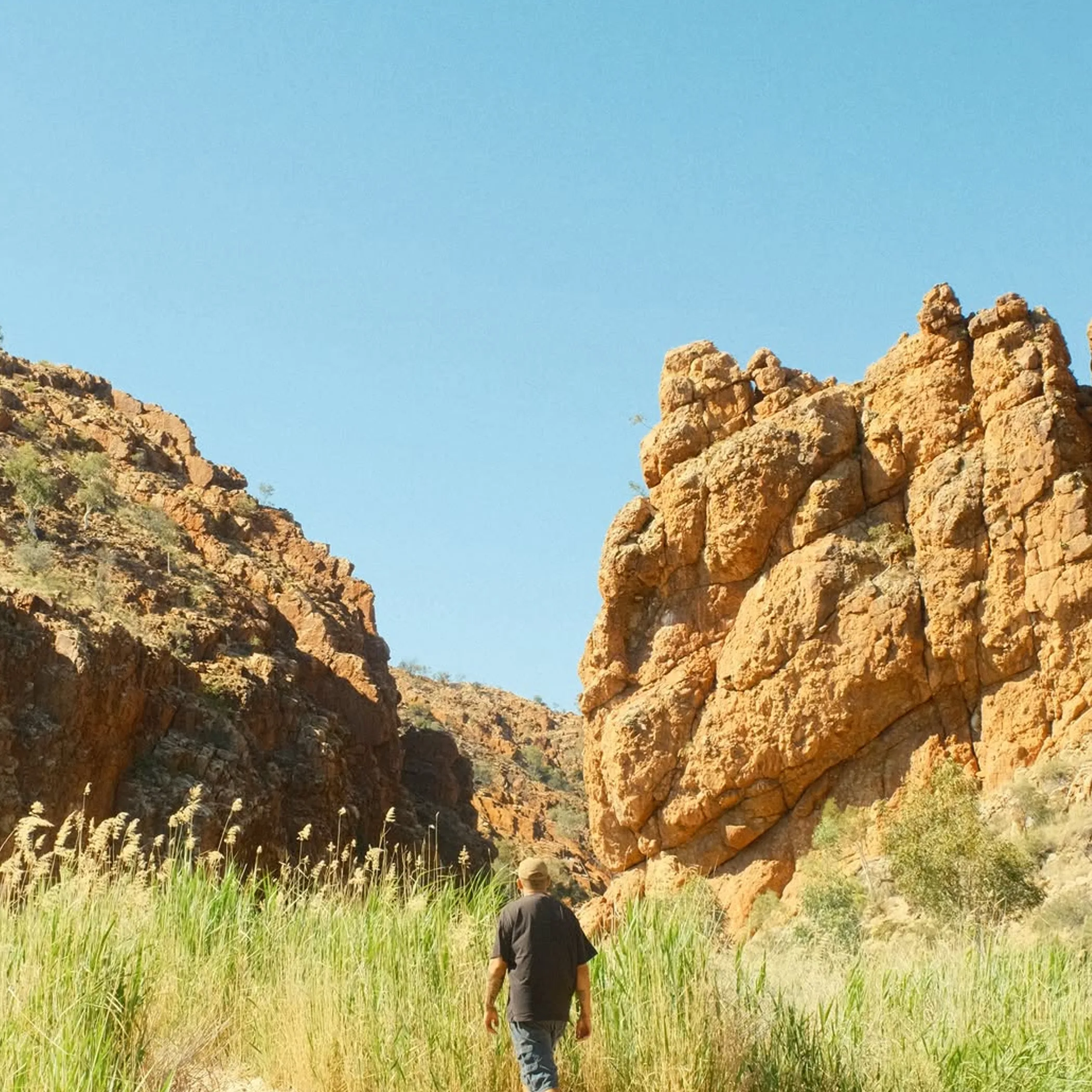
After the year’s worst heat has passed, Central Australia is more of a pleasure in autumn. April may yet give you a warm afternoon but by May the going is usually better for an overnight or a long walk. For the traveller in search of some flexibility as well as comfort, this is a fine season. One can put in a longer route before the afternoon heat is at its worst and have a sunrise walk that does not leave one with frozen eyebrows to boot.
Changeable Days: Make Allowance
A light insulating layer is wise for the crispness of an autumn morning, say in an exposed camp or in the vicinity of Alice Springs, yet there is no need to put aside summer thinking altogether. The sun is still formidable, shade in short supply and on rocky tracks water use will be high.
Underestimating the afternoon is a mistake I made on my first desert walk of a cool morning. What seemed like an easy few kilometres was later made steeper by the heat radiating off the pale rock. It is a simple lesson: a cool beginning does not obviate the requirement for a hat, water and an early finish.
Hiking In Winter (June – August)
There is no better time for a hike in Central Australia than winter, particularly for those unaccustomed to the desert or looking to cover more ground. You will find the days agreeable for walking if the nights are cold enough to render a sleeping bag indispensable.
The likes of the Larapinta Trail, Kings Canyon Rim Walk, West MacDonnell Ranges and some day walks at Uluru are all far more amenable when the temperatures are not emulating a kitchen oven; these are the ones to put forward as Australia’s finest winter hikes from June through August.
Cold Nights
Hot days are less of a trap than the cold of night. It is not uncommon for a traveller to have packed shorts and sunscreen only to find the Tjoritja / West MacDonnell Ranges has a sharp edge to it after dark. For camping, have gloves and a proper sleeping layer with you. Even with a mild forecast a fleece or down jacket will come in handy. And in the morning do not expect your body to get up to speed like a rental car from a cold start; allow yourself to warm up prior to any steep climbing.
Daylight is at a premium in the winter compared to summer so be realistic with your times and put in some stops for a photo. Do not be under the impression that what a map shows in distance is the same in effort on the ground; sand and loose rock and elevation will slow you on even a modest track.
Spring (September To October)
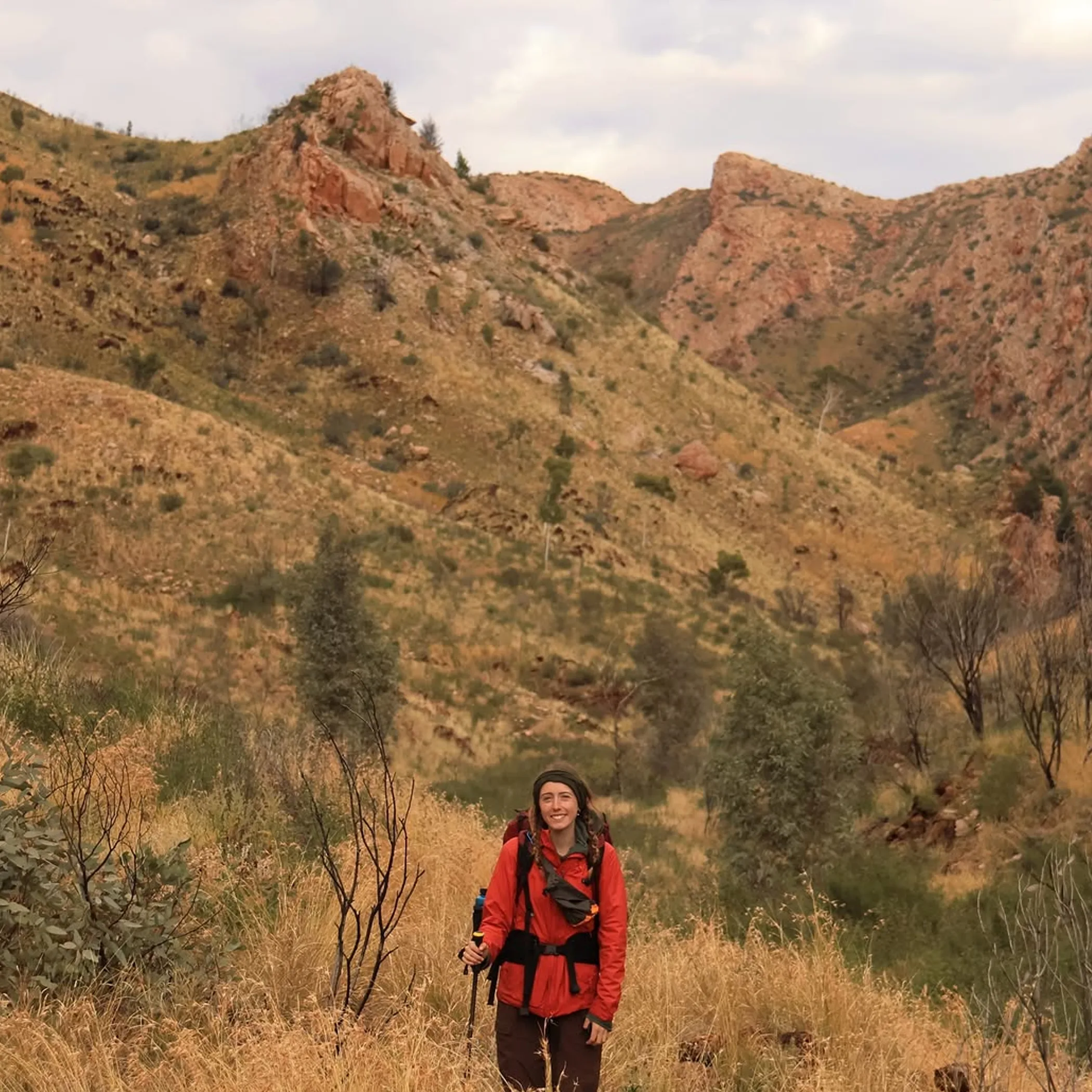
Central Australia is pleasant to begin with in spring but as October wears on things can alter in a hurry. September is good for an early walk but late spring calls for a more rigorous approach to hydration, heat and turnaround times. It is for the type of traveller who would rather have a warmer evening and eschew the chill of winter. Not so much if you have no desert experience and are set on a tough route in midday.
An Early Start And Finish
Get out on an exposed walk at first light where you can. It keeps the worst of the heat at bay and affords you some leeway should you be delayed, not to mention a better shot at parking at the trailheads of Kings Canyon or Uluru.
Take on more water than you think you will want but do not let that be an excuse to go on and on. Have your turnaround point in mind from the outset. Should dizziness, nausea or an odd fatigue come over anyone in the group, put a stop to it and get help. Heat illness is not something to build character with.
Is Summer Viable?
It is not out of the question but summer is the most unforgiving for a hiker in Central Australia. Between the heat and the sun there are sudden storms, the threat of flooding and bushfire closures to contend with. Any summer hiking ought to be of the short and low risk variety with an eye to cancelling if necessary. If you are bent on the Larapinta or some other remote multi-day affair, wait for cooler weather.
When To Call It Off
Having made the long journey to a remote walk is no reason to commence it. See what Northern Territory Parks and Wildlife have to say about road access and trail closures and check the weather. A closed track is not some authority’s way of being unamusing.
Dry creek beds become hazardous in a summer storm; do not make camp in a drainage channel however level and arid it appears. Wind and lightning are a factor in open country. A phone is to be carried but one must remember reception is not to be relied on once out of town or the main visitor zones.
The Larapinta Trail
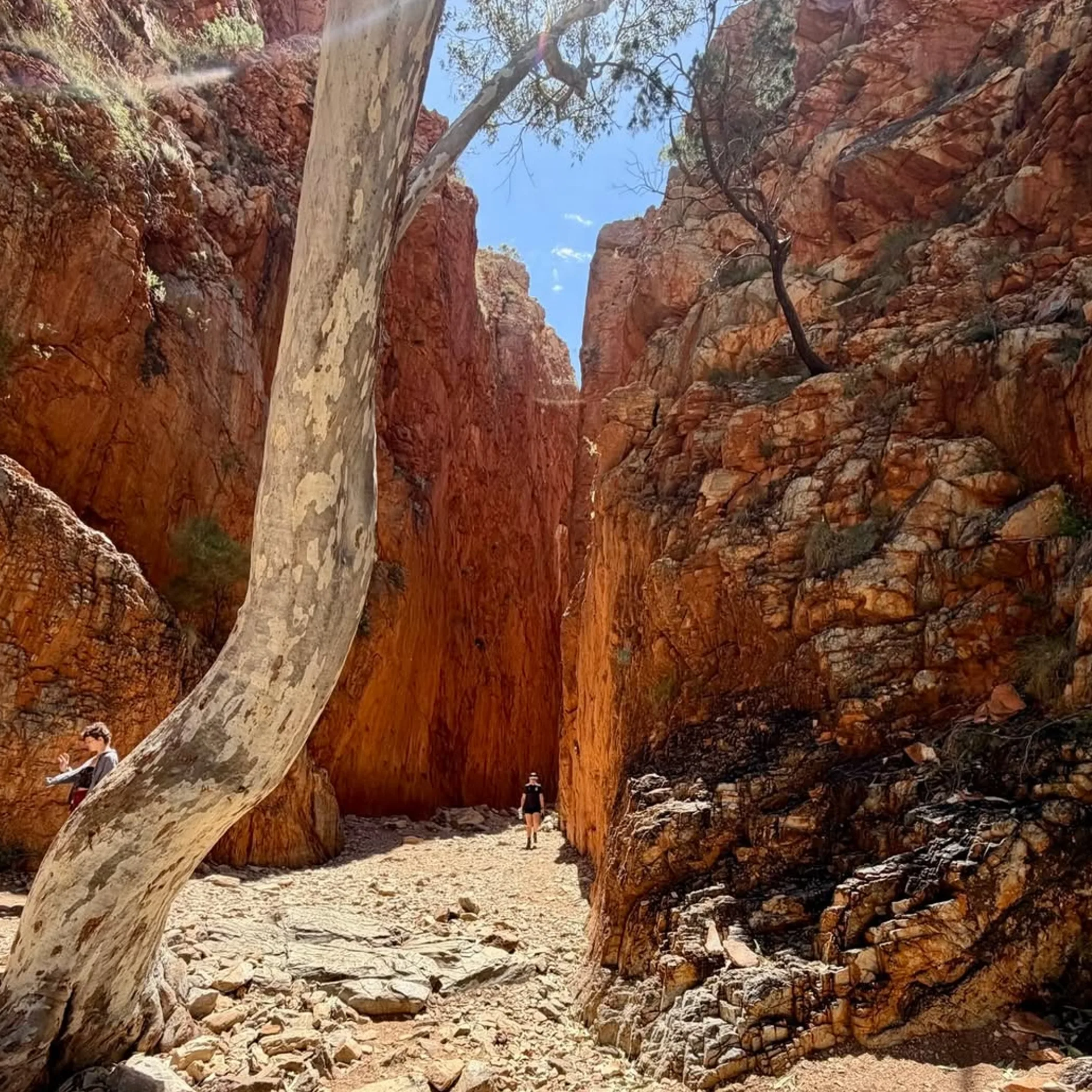
For the Larapinta Trail one is best to hike between May and August, though an experienced walker will find April or September doable with some forethought as to conditions. The trail puts in some rugged country of the West MacDonnell National Park where the season is a factor beyond mere comfort, dictating your water planning, how fast you put in your miles, the campsite and time for recovery.
Do not mistake the Larapinta for a long suburban ramble; it is a no-nonsense multi-day trek. At 230 kilometres the full length will present rocky ridges, creek beds, steepness and campsites far from civilisation. So what is on the calendar is only as important as being fit, knowing how to navigate and having your food and emergency preparations in order.
A Section to be Chosen Wisely
When time is limited to a day, opt for a guided walk with transport sorted out or make for a section close to Alice Springs. Those after some West MacDonnell scenery but not the whole route are wont to start at Ormiston Gorge, Simpsons Gap or Standley Chasm.
Then there is the matter of getting back. A one-way walk is a logistical headache if your car is left many kilometres off, and some trailheads demand a shuttle or private vehicle. Put in the time to confirm road access and pickup times before you go.
Beginners should not think the full trail is for them. A novice can be supported on a short piece, but the remoteness of a multi-day affair calls for a certain confidence to deal with uneven ground and a pack, to ration water and keep level-headed when things do not go to plan.
Uluru and Kings Canyon
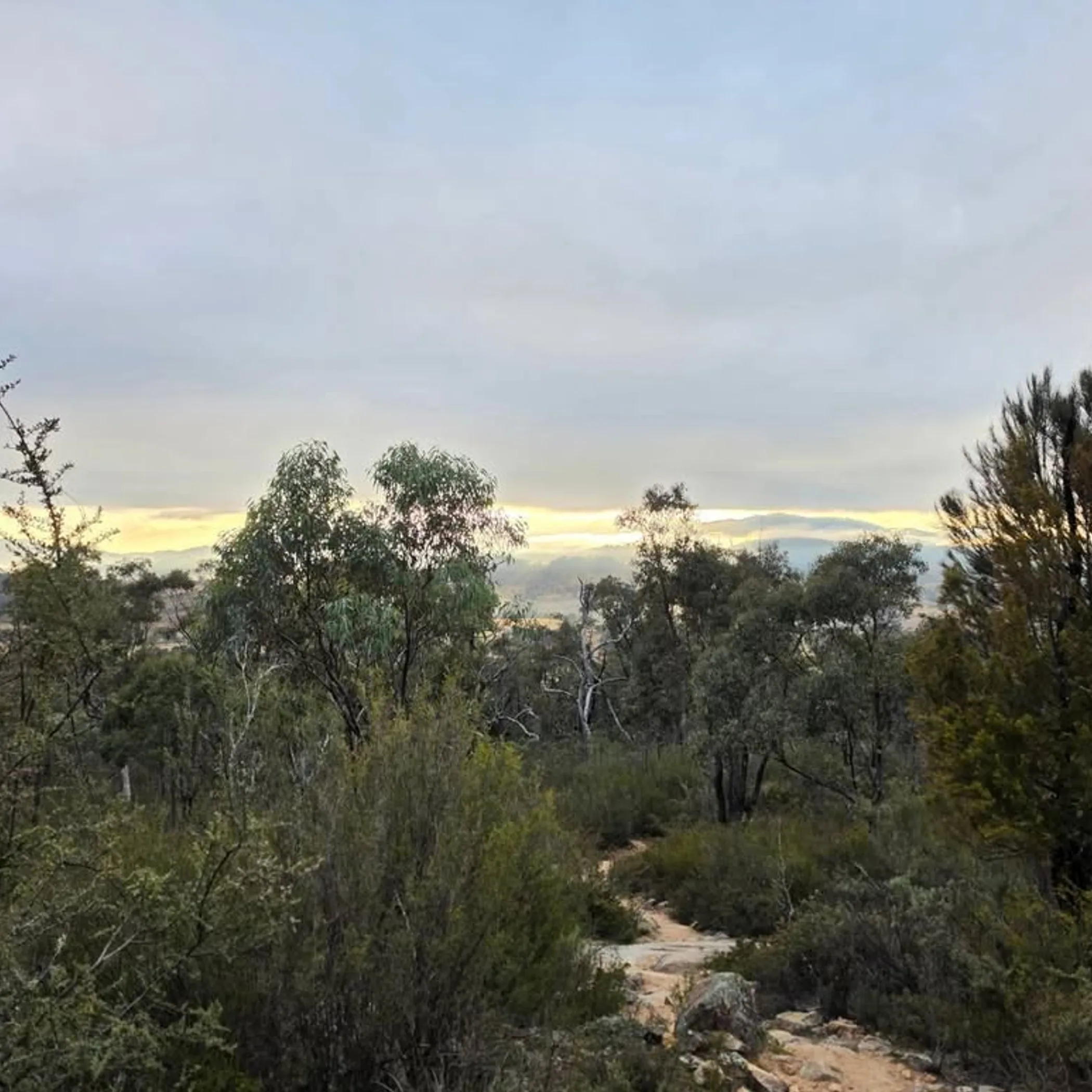
An early start is called for at Uluru and Kings Canyon come what season, albeit for different ends. In winter it is to use up the daylight; in spring and summer to put some distance between yourself and the heat.
There are visitor experiences and day walks at Uluru, but track closures and cultural protocols may have changed. One should heed the signs and stay clear of restricted areas. Northern Territory Government parks information has the latest on access and park matters.
Put in More Time Than You Are Told
The Rim Walk at Kings Canyon has its share of steep steps and rough going. A fit traveller might finish in the allotted time but there is the heat, the crowds and the need for a rest or a photo to consider. Do not have a tight transfer planned on the back of it.
And at Uluru do not let the distance of a walk fool you; the wind and sun and the sand and rock will make even a short one exacting. There is no point in rushing for another viewpoint. Have your water and proper footwear and take your time.
Weather in the Red Centre
Hiking the desert is simple enough with good preparation. Lacking it is something of an ordeal with your feet and water bottle and a sense of regret to match.
Make use of the forecast and any park alerts in packing. The outback weather guide gives an idea of the seasons but check local conditions as you are about to leave.
A Checklist
- Some items are non-negotiable: a hat with a wide brim, sunglasses, clothing to cover you from the sun and sunscreen of the highest protection.
- Take more water than the minimum the route suggests and a way to carry it that you can trust.
- Footwear with a good grip, something for blisters, a first-aid kit and any personal medication.
- If it is between May and August you will want warm layers for the night.
- Have offline maps and a phone with charge to spare and a power bank, and know how you will communicate in remote parts.
- Food to see you through any delay and a bag for your rubbish.
- Insect repellent is a must around waterholes and creeks, rain or no rain.
See if permits or Aboriginal land access are required for your camping or park passes. Keep hard copies of the details as well as digital ones; reception has a habit of vanishing quicker than a cold drink in the heat.
Tailor your walking to what you can put in
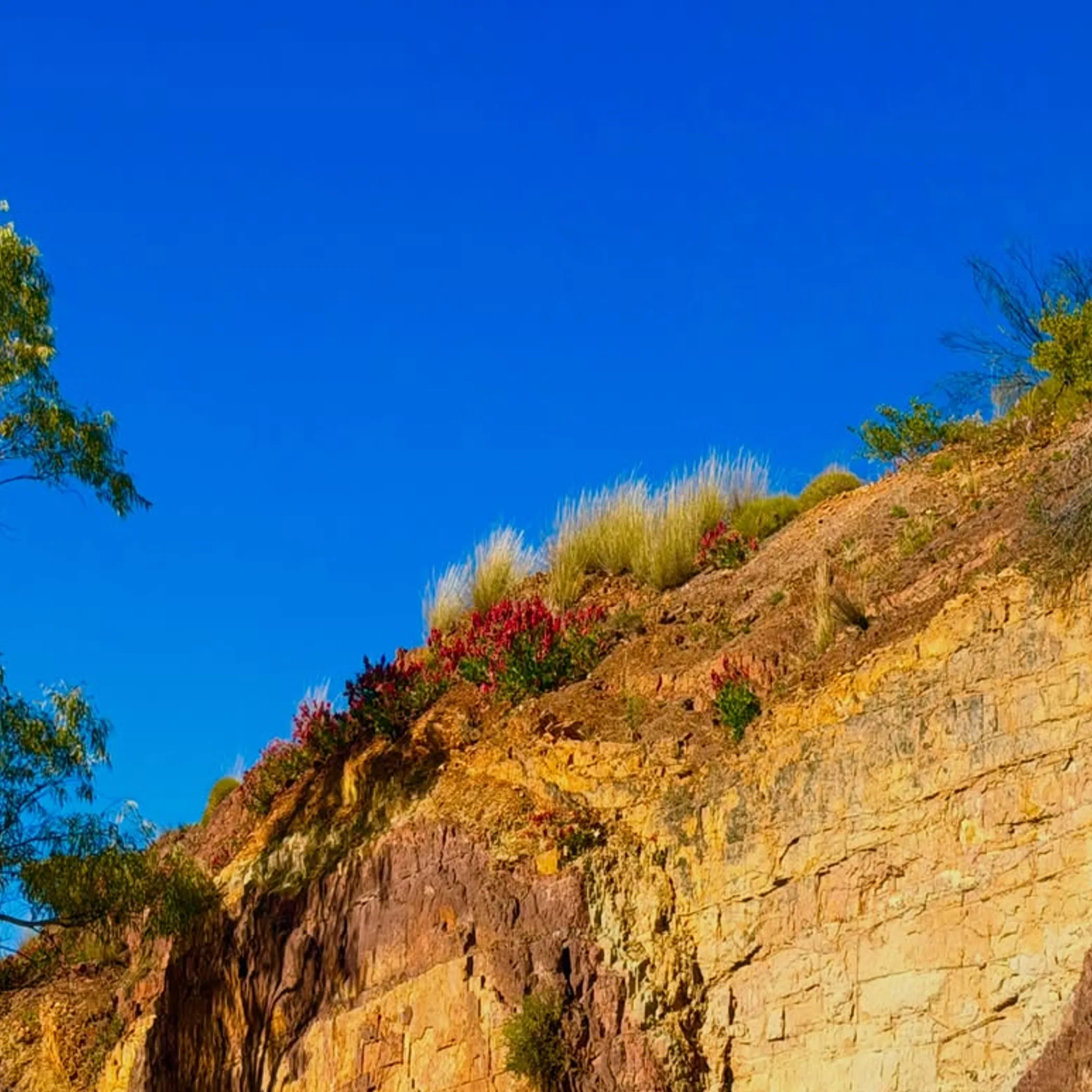
You will find Central Australia to be the place for an independent sort of traveller, a family with their wits about them, or a seasoned hiker who is at home in wide-open country and does not require facilities on tap. Those who want to be near shops at every turn, have unbroken phone signal, a path in the shade or a rescue at the first hint of trouble from a knee would do well to look elsewhere.
Do not be fooled by the dry appearance of the tracks into thinking desert walking is a simple matter. The ground has its rough patches, putting in the miles can be tiring work and conditions have a way of turning on you. A good itinerary will make allowance for a more leisurely pace and some rest, even if it means an unglamorous end to the day.
Expectation Versus Reality
A winter hike and you are done with the heat? Not so. The sun is no less strong and exposed rock will give back the warmth; dehydration is still a possibility.
One might think a summer storm puts an end to the temperature. In fact it can mean flooding, mud, lightning and roads that are closed.
Or the short walk that should be a doddle. Put an uneven step, a heavy pack and a couple of kilometres of terrain in the way and it becomes quite demanding.
Frequently Asked Questions
When travellers come to me about their inaugural Red Centre hiking plans these are the ones I am asked most. The answers below are as brief as they are helpful, but one should cross reference them with the forecast and any park advisories for the day.
What Is The Best Season For Hiking?
In Central Australia the winter months of June through August tend to be best, with limited rainfall and daytime that is more to your liking. Then there is April, May and September which can be fine for those with a flexible approach and who are up early.
What Are The Best Months To Travel Around Australia?
The country is too large and has too many different climates to name a single month. If you are after comfortable hiking in Central Australia then start with May to August. You will not get the same in the Top End where wet and dry seasons run their course, or in the south where it may be cold and wet.
How Many Days In Australia Is Enough?
Four to seven days ought to suffice for a Red Centre trip to Uluru, Kings Canyon, the West MacDonnell Ranges and Alice Springs, transport and walking ambitions permitting. Stay longer and you have the option to change course when the weather or the road, or plain old fatigue, gets in the way of your plan.
When To Hike The Larapinta Trail?
May to August is the usual answer. An experienced hiker could make of April or September what he wants, though spring can warm up in a hurry and autumn is variable. Before you put yourself in a remote part of the trail check on permits, water and the like.
Is It Too Cold For Hiking In Australia In August?
For Central Australia it is often the most agreeable of months. The days are mild to warm but if you are camping the nights can be cold. Do not let a cool morning deceive you into thinking the walk will be; put on some warm layers and guard against the sun.
Make The Season Work For You
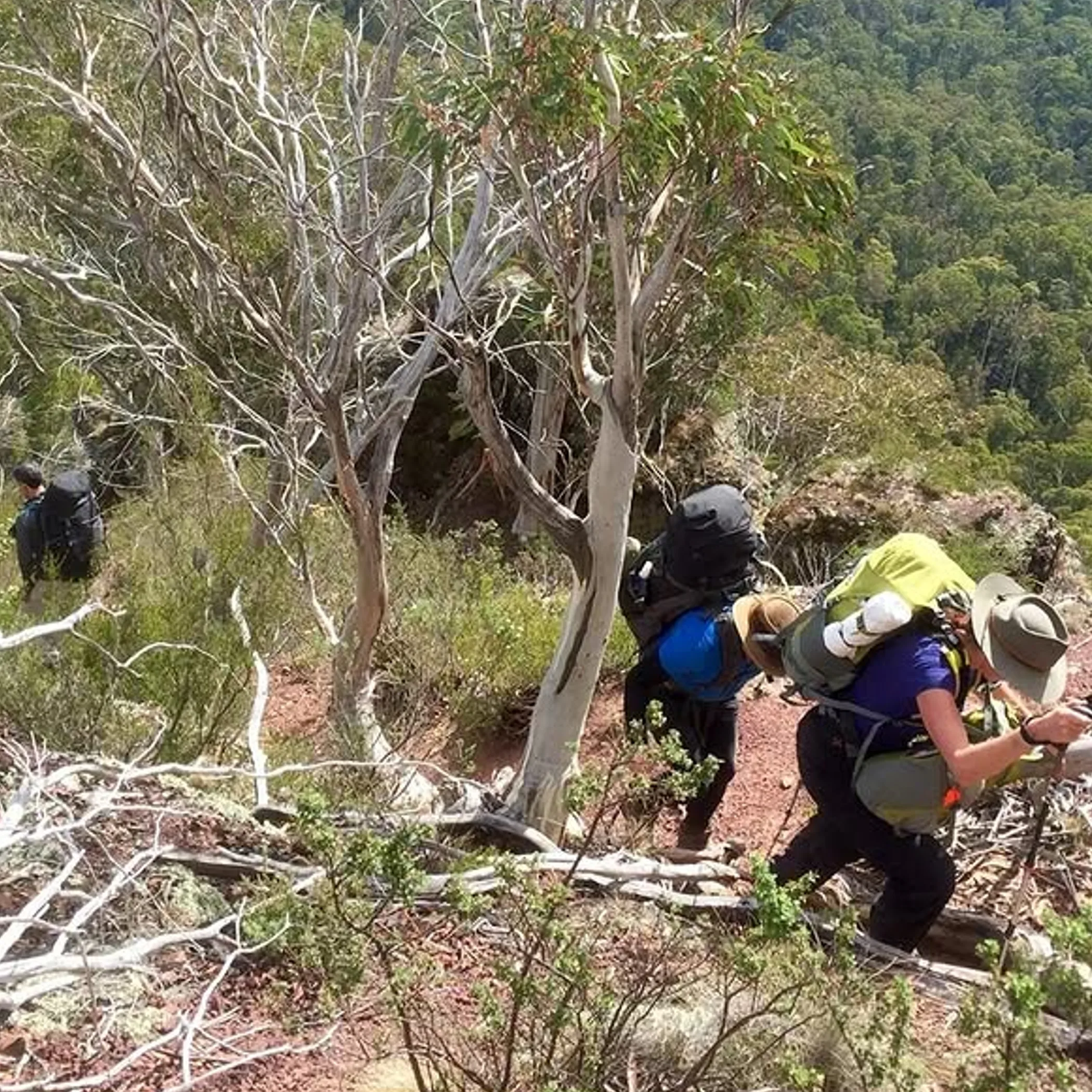
If you want a straight answer: schedule your hiking in Central Australia for the April to September period, with May to August being the surest bet for comfort on a long walk. Winter is for the more arduous routes, autumn and spring for something more adaptable and in summer confine yourself to short, safe walks.
The Red Centre will make its point without raising its voice, provided you are prepared and keep tabs on the weather. Have enough water, see to it there are no closures and let the landscape dictate how fast you go.
