The first rule of water safety at any Australian lake is to consider it an unpatrolled natural waterway unless you see local signs to the contrary. From there the guidelines are straightforward: have a look at the weather and the water, put on a lifejacket that fits when you are out on a boat, keep a close eye on the children and be prepared to go if the situation or an alert from locals dictates.
I am Isadora Northwood. I write from Brisbane and as a parent have made it my business to learn all about the Australian way of having sunscreen on hand for any season. While lakes are good for some family time, one has to remember that placid water can conceal cold temperatures, a change in depth, overhanging branches or a slippery bank. A bit of forethought will see to it that your picnic does not end up as a rescue operation.
Arrive With An Eye On The Risks
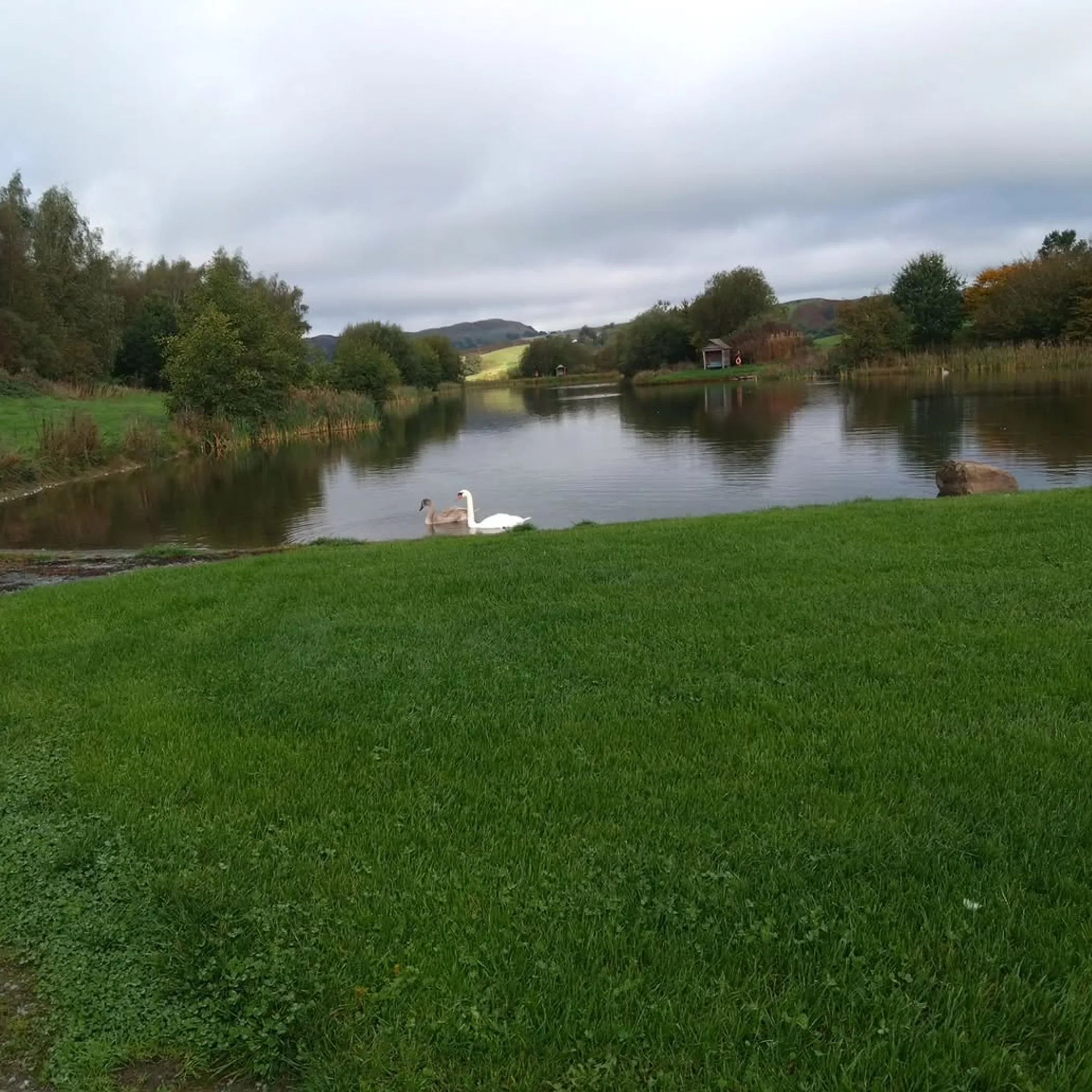
Before anyone puts a boat in the water or goes for a swim, you should have a feel for the place. There is no uniformity among our lakes; some are well provided for with toilets and marked off for swimmers, others you will find down a rough bush track, remote and unpatrolled. For more ideas, explore family fun at inland lakes.
It is easy for families to be fooled by how things look. Do not mistake a flat expanse of water for safety and a crowded shore for adequate supervision.
Where Nature Will Have Its Way
You may come across broken glass, snags, rocks and the odd fishing hook at the edge of a lake, not to mention steep drop-offs. Then there are the currents to be found around a dam or spillway or boat ramp, even though the surface is as level as you like.
In no time at all the depth can alter. A child might be standing at his ease a metre from the shore and then lose his footing a few paces out. Stay clear of dam walls and anything with a warning sign. And in unpatrolled waters where there is no lifeguard or much in the way of mobile reception, take extra care. Make sure you have the location on record and know where the nearest medical service is before you set off.
What You Think Versus What Is
“The water is clear so the lake must be shallow.”
In fact visibility will not inform you as to the state of the lakebed or its temperature. There could be holes hidden under the mud. Get in slowly and only where you have scoped from the shore.
“Let him have a swim, he is strong enough.”
Cold water and a bit of panic will do a number on a child’s ability, as will being some distance from land. A lifejacket and someone watching are not optional just because the child has had lessons.
No Distractions When Supervising
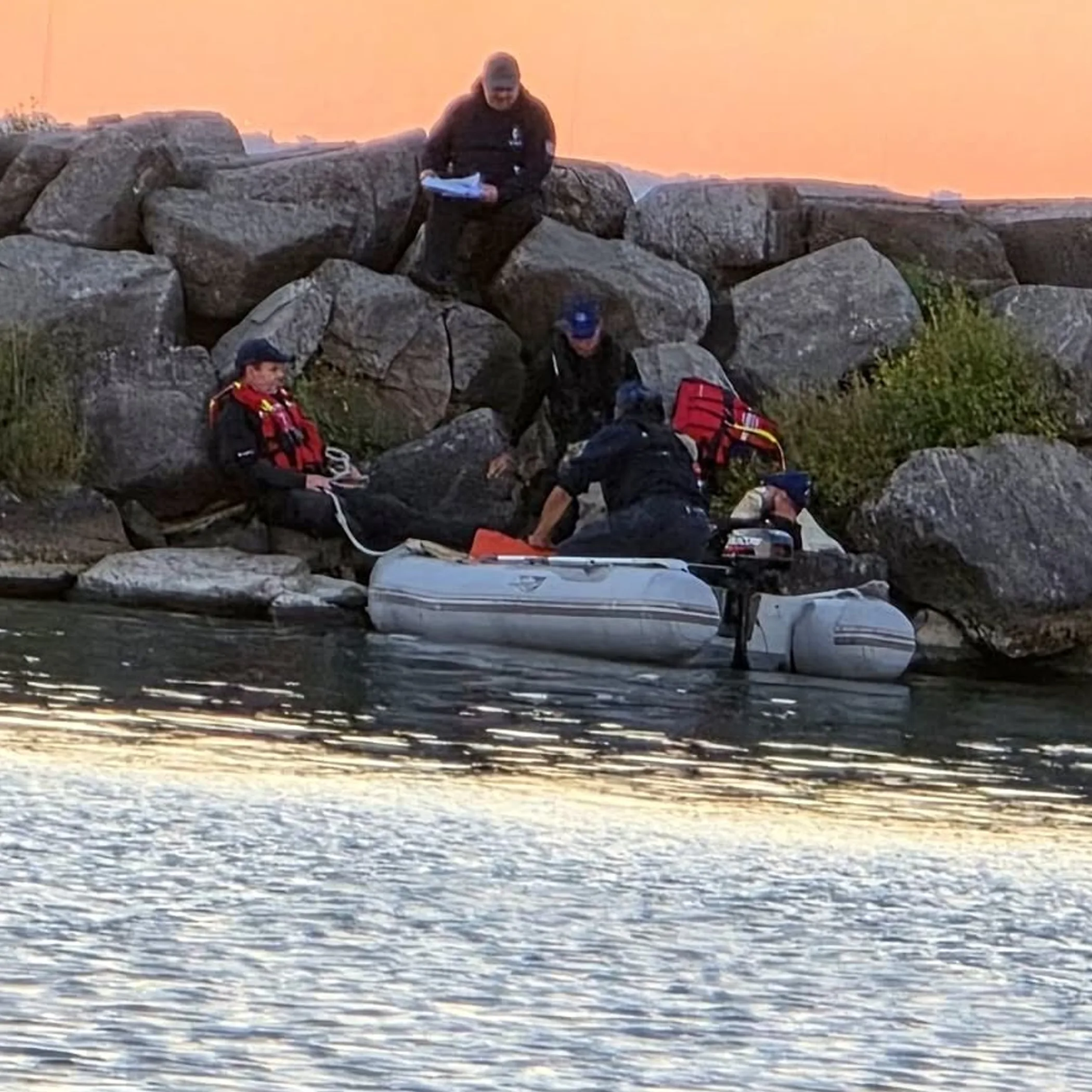
You cannot supervise a child by casting an eye between your phone and a snack. Put a supervisor in charge before you get to the lake and have them watch the water without interruption. Younger ones are to be kept within arm’s length of the edge. Older children too need looking after in an environment they do not know, a confident swimmer can be put out in a moment.
Have A System
Make it clear who is the designated adult and when the baton is passed. Do not count on another to have seen a child heading for the water. Put the phones and alcohol aside. A buddy system is fine for the older ones but it is no substitute for an adult. Count them when you pack up or move about.
- Keep children within arm’s reach when they are in or beside the water.
- Keep phones and alcohol away from the supervisor.
- Use a buddy system for older children, but never treat it as a replacement for adult supervision.
- Count children when you pack up or move about.
We have a simple approach on our outings: one of us is on watch, the other is occupied with the bags and provisions and the children are told to ask before they go in. Not as showy as trying to do everything at once but safer by far.
Rules Should Be Appropriate
Be realistic about the water conditions and the age and confidence of the child. He may be at home in a warm pool but not in dark, moving water. No solo swims. And leave the inflatable rings and noodles for the shallow end; they are not a flotation device. Make it understood that a lake is not a pool, there is no running or jumping from heights you do not know.
A Word On Swimming And Wading
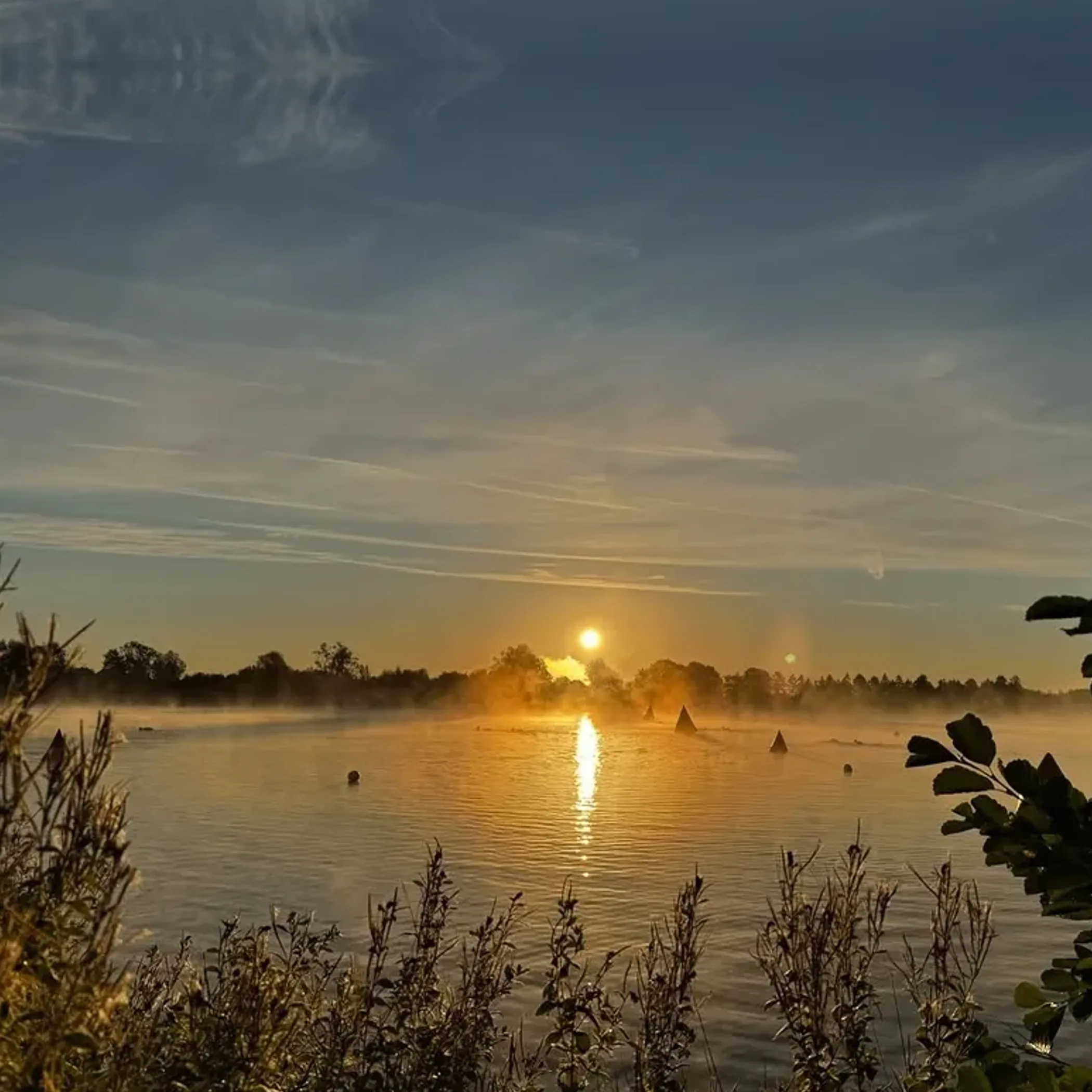
Start at the shore. If there is an area set aside for it, use it and follow the signs. Feet first into the water unless a facility makes it plain that you can dive. One has to be patient with natural water. Tread in and feel the bottom, then put a stop to it should you find the surface steep or hard to see through, or if it is slippery.
Make for a Safer Water Entry
Feet first is the way to go; do not put your face below the surface until you have gauged what the depth and bottom are like. Diving off a rock, jetty, boat or bank is out of the question unless you know the depth and the spot is one where it is permitted.
In muddy or rocky lakebeds make sure your footwear is on securely. Goggles will not show you all the hazards. And keep clear of any reeds, pipes, weirs, spillways, watercraft lanes, boat ramps and fishing areas.
There is no place for swimming by yourself. Stick with a buddy and not far from shore, and get out of the water when the cold or fatigue sets in. An adult must be able to put a hand on any children at once.
When To Stay Out
After a heavy rain or in the event of a storm, or if there is a water-quality warning from the authorities, do not swim. Run-off will have brought pollution to the lakes and wind can put up a chop that makes the trip back to shore more of an ordeal.
If there has been any alcohol consumption, or an open wound, or someone is under the weather and not up to the conditions, then stay out of the water. Even with the intention of a quiet paddle and a sandwich, alcohol and safety are not compatible.
| Activity | Minimum Practical Check | Common Trouble Spot |
|---|---|---|
| Swimming | A designated area with some supervision and a known depth | Fatigue, cold water and sudden drop-offs |
| Wading | A stable bottom and a leisurely entry with children in arm’s reach | Hidden snags, mud and slippery banks |
| Kayaking or canoeing | A communication plan, a weather check and a personal flotation device | Wind, distance from shore and capsizing |
| Paddleboarding | Calm conditions and a well fitted lifejacket with a leash if appropriate | Drifting offshore and difficulty getting back on |
Lifejackets On All Craft
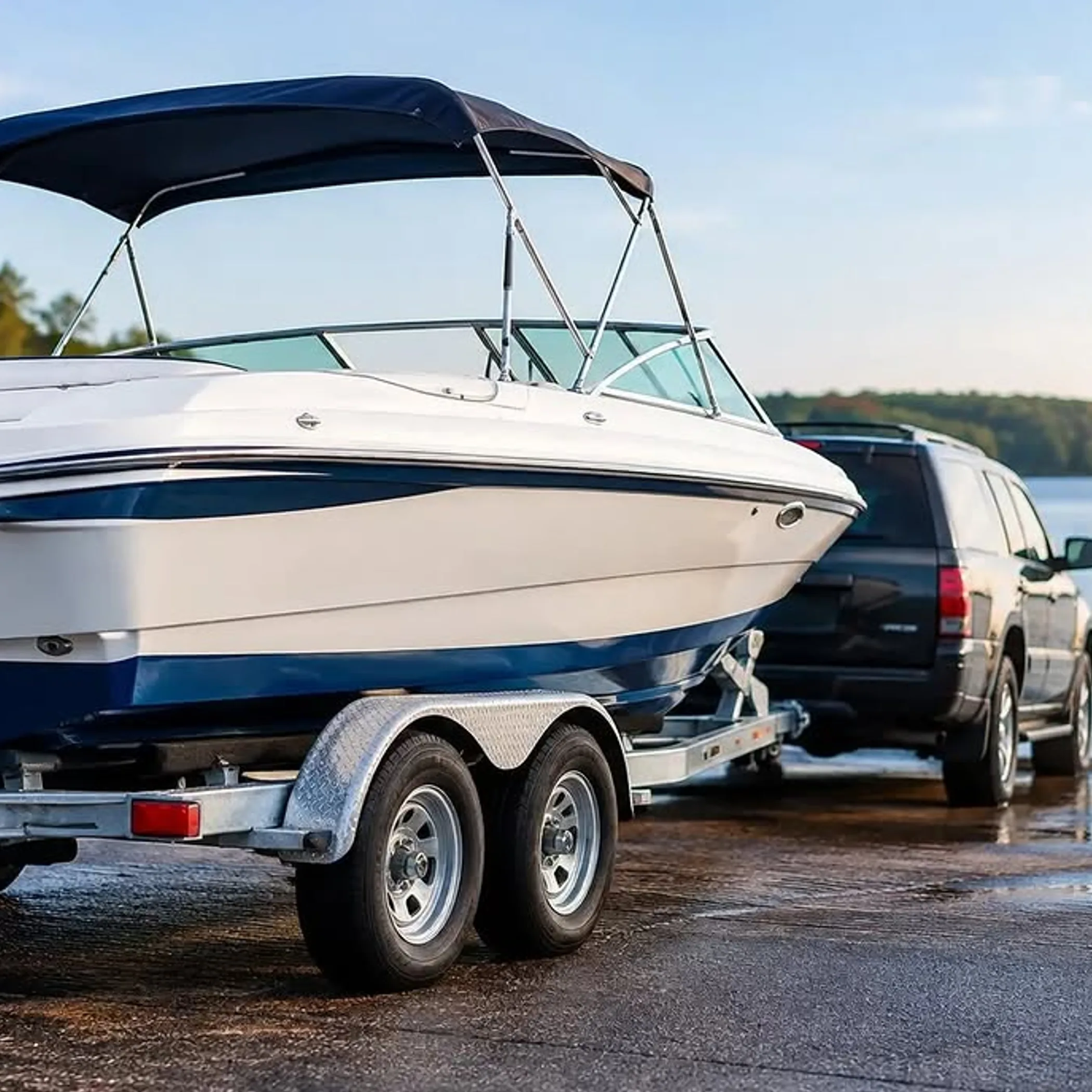
The rules of Lifejacket Safety Australia are different from one state or territory to another and depend on the vessel, the activity and how far from shore one is. Comply with the local requirement and wear it, not have it in a bag out of reach.
It is of no use if it is not in good order and fits properly before you launch. For children the size is dictated by the manufacturer’s weight range and the straps need to be such that the jacket does not come over the head.
Boating With Safety In Mind
Before you set out on a lake have a look at the craft, the battery and fuel, the paddles, the wind and the weather. Put in a call to someone on shore to say where you are and your time of return.
With a kayak or canoe it is well to try a capsize and re-entry in controlled fashion before going into open water. Do not overload and paddle near to shore.
A paddleboarder needs to be honest about his fitness and balance. The board will drift in the wind and it is not easy to mount again after a fall. Leave beginners near the shore and do not launch in gusty weather.
Have a Safety Kit
A few basics in a waterproof case for the phone (make sure it is charged), a torch, whistle, dry clothes, first-aid, sun protection and drinking water. Reception can be poor in remote places so have your maps downloaded.
- Prior to launch give the craft and lifejackets once over.
- Let someone you trust know of your route and when to expect you.
- Confine boating to the allowed area.
- If the wind picks up or clouds are building, or anyone is cold, make an early return to shore.
An Eye On The Weather
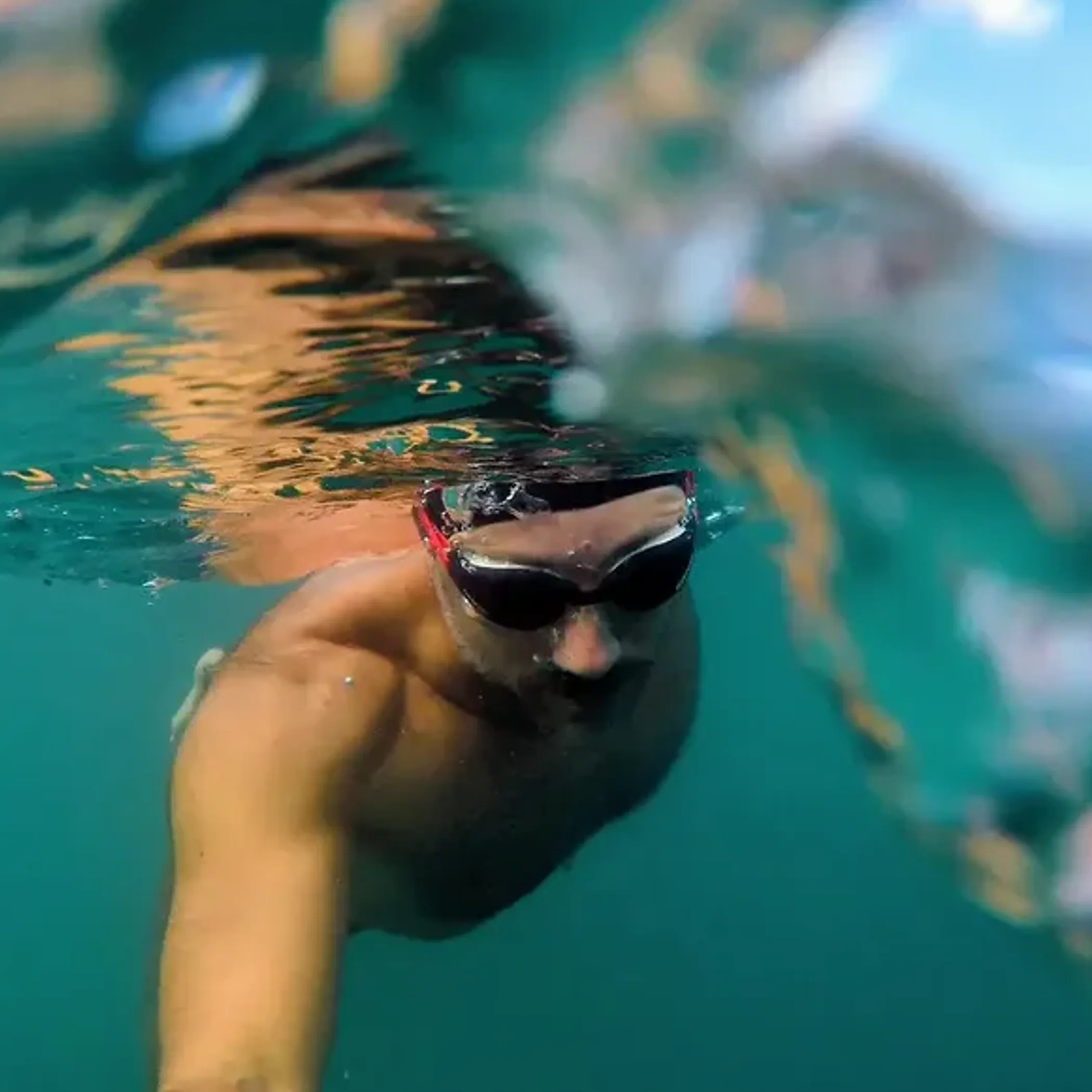
Families can be taken by surprise at how quickly things change on an exposed lake. See what the Bureau of Meteorology has to say in their forecasts and warnings before you travel and again before you go in.
For those in canoes, kayaks and paddleboards the wind is something to factor in. What was a breeze coming in can be hard work against on the way back when you are tired.
Cold Water Shock
Even a good swimmer can be hit with cold water shock in the winter or in deep alpine and shaded waters. It brings on panic, a loss of coordination and rapid breathing. Go in slowly and dress for it. Should someone go in, have them hold on to the craft and get a grip on their breathing. A lifejacket will hold the airway clear until assistance is at hand.
Seasonal Considerations
You will find the water still cold in southern Australia in winter despite the sun. Up in the Top End and northern WA the wet season means storms and flooding that can render tracks unsafe or close access. In the dry you have to worry more about dehydration and the heat.
In some parts of the country summer means there is a risk of bushfire closures. From November to April one has to be mindful of cyclone alerts which can put a stop to travel in the north and alter the state of roads, parks and lakes. A word of advice is to consult local alerts prior to departure, such as those from NSW National Parks, Queensland Parks or Parks Victoria if they are in charge of the site.
Water Quality Warnings: Heeding Them
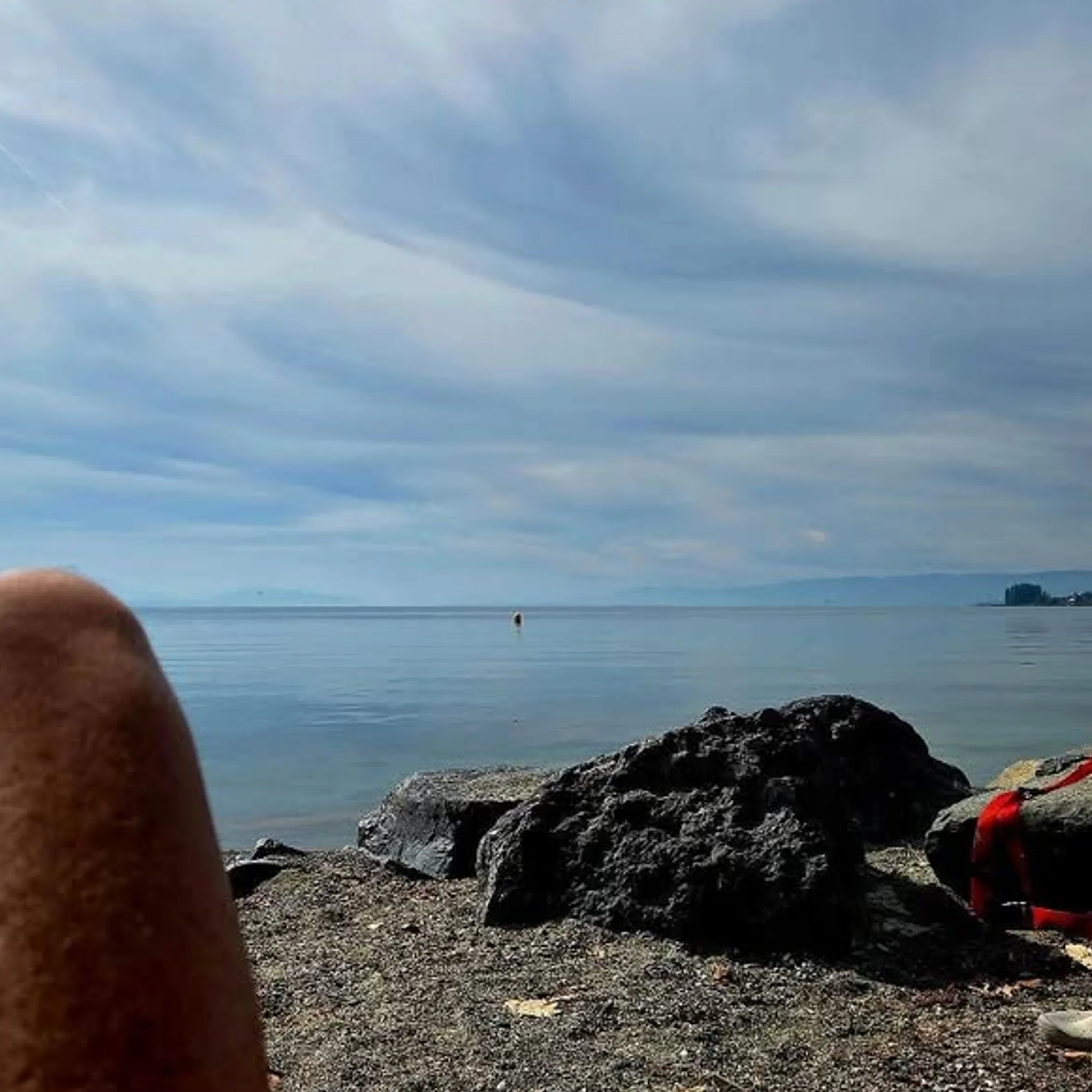
When it comes to blue-green algae, safety is a matter of not ignoring official signs. An algae bloom will render water unsuitable for pets or for swimming, paddling and drinking, so act on any warning given.
Shun water with an odd green or blue-green tinge, or that is foamy, scummy and discoloured. Instruct children and dogs to stay off the shoreline and after contact wash your hands and do as the local health authority says.
A Pre-Travel Check
Leave home only after you have seen what the lake notices and closure signs have to say. Warm spells, storms and run-off can see conditions turn. And do not think that boiling will make all affected water safe; the managing authority’s guidance is what to follow. Should vomiting, diarrhoea, breathing difficulties or irritation of the skin or eyes set in after being in the water, get medical attention and put down possible exposure to the lake.
Emergency Protocol
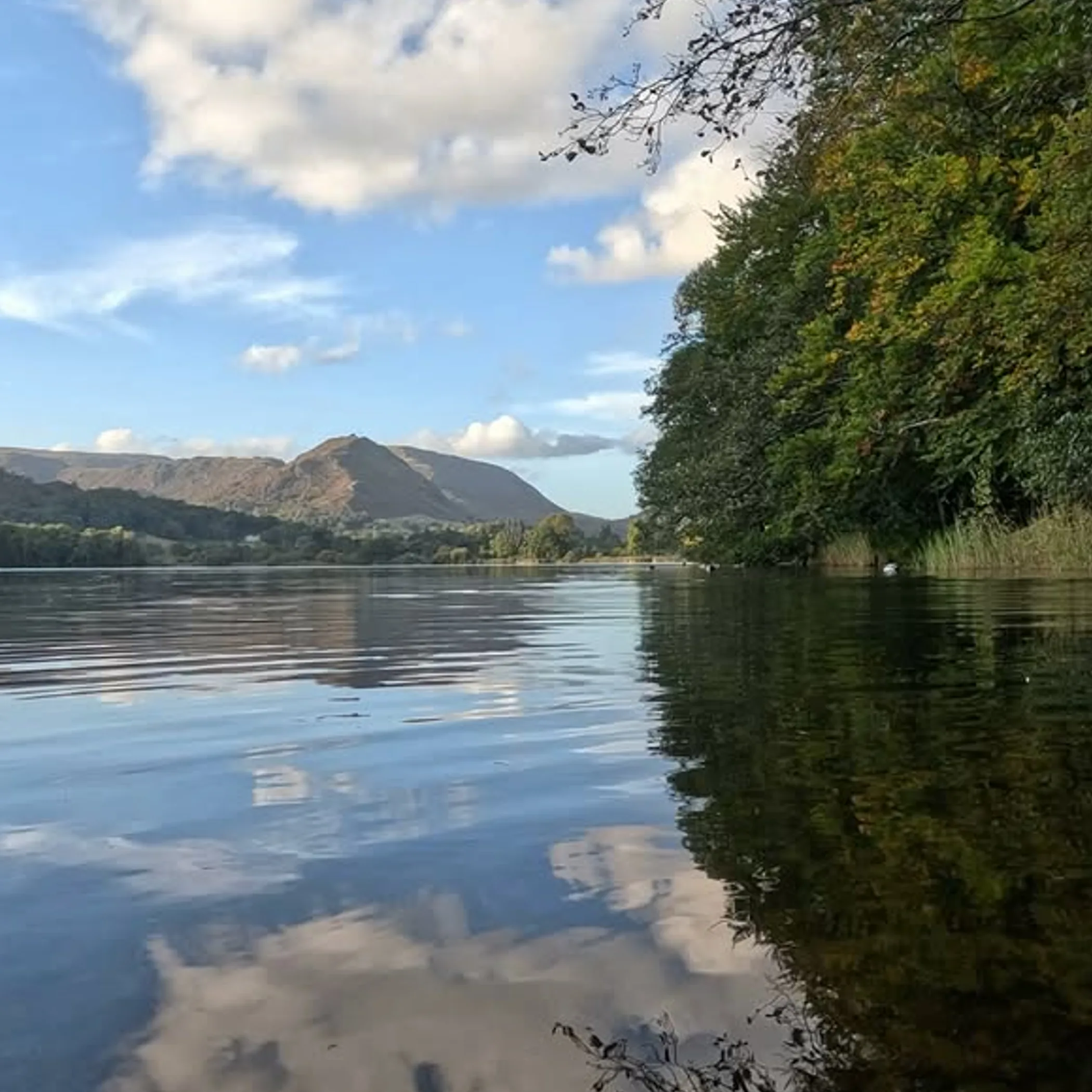
Have an emergency plan in place before anyone gets in the water. It is for each adult to be aware of the access road, where the nearest phone is and how to raise the services. If a person is in difficulty and it is safe to do so, send for help while you call Triple Zero (000) and indicate the person in question. Unless you have the training and equipment, do not go into deep or running water in their wake.
Reach And Throw
Stay low and secure on the shore and put out a rope or pole or fling a flotation device over. Do not put yourself in jeopardy by leaning too far. When the individual is out, if you have the training administer first aid and check their breathing. Heed the operator and keep the person warm and under observation; cold can be an issue even post rescue.
Local Knowledge
For a day out, see what is on offer in the way of parking, boat ramps, toilets and reception. Some reserves have a fee or need a permit, others are free but with few facilities. As for camping or hiring a boat, costs are location dependent so put in a call to the authority.
On a short trip, be early enough to have a look at the shoreline and pack up well before dark in the safest area. Those with little boating experience or young children would be wise to steer clear of an unpatrolled lake in windy weather.
FAQs
What are the rules for water safety in Australia?
There is no one rule for every lake in the land. One abides by the laws of the state or territory and the managing authority. But across Australia you will find the basics: an adult should be supervising, no solo swims, a good lifejacket on the vessel, no alcohol and a check on conditions.
What are the principal water laws?
They will vary from jurisdiction to jurisdiction and may pertain to fishing, dam access, licences or restricted zones. The sign at the launch point is often more pertinent than something you recall from another state.
Where is drinking water not safe?
Water infrastructure and quality can be a problem in certain regional or remote communities due to drought or flooding. Do not take it for granted that lake water is potable. Rely on what you have brought with you or an approved source and the public-health recommendations.
Guidelines for drinking water
Keep your drinking water apart from the lake. Only drink from a river or dam if the authority has given the all clear and told you how to treat it. Boiling is no guarantee against every contaminant.
Is any Australian lake open to children for a swim?
Not at all. Let them swim where the authorities allow and the conditions are right for them. Unfamiliar shores, murky water, strong winds and dam walls are to be avoided. If there is any doubt, let the fun be on land.
Safety First
The ideal family day at the lake is not about having the best tinnie or the most gear. It is when the supervisor is on top of things and the group is gone before it gets rough as guts. The Royal Life Saving Society Australia puts it well with its Respect the River message: natural waterways call for restraint and preparation. Plan sensibly and the inland lakes of Australia can be enjoyed with wading and boating as safe as the circumstances will permit.
