Isadora Northwood
Portuguese–Australian writer based in Brisbane
In my experience the finest wildlife encounters are to be had in silence. The animal is under no obligation to put on a show or come within range of your camera. A true satisfaction can be found in a wallaby halting by the track and then making off while all remain still, with none of the drama or some bloke hollering “look over here!” at the bush. I have come to understand that is how it should be.
To watch ethically in Australia is to let nature dictate the proceedings, to be unobtrusive and to afford the animals their space. This guide is for those seeking peaceful animal viewing locations, from reef life around Ningaloo to saltwater crocs in the Top End, koalas in Queensland or kangaroos in South Australia.
Why One Should Be Quiet
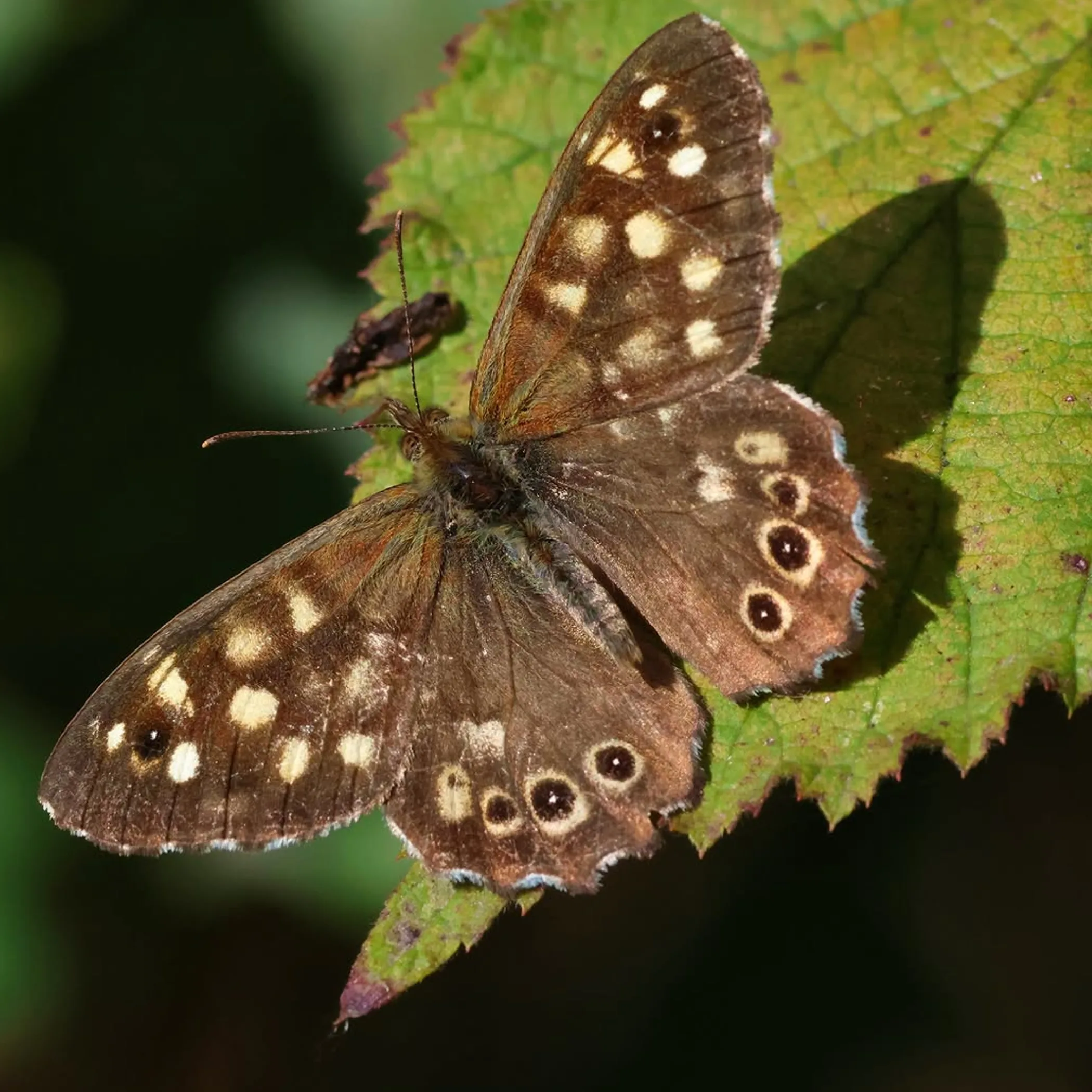
One has to consider the pressure Australian wildlife is put under by human noise, the heat and drought, habitat loss, domestic animals, bushfires and traffic. When visitors get too close, make use of flash or break up feeding and nesting they add to that burden. By being responsible you mitigate this.
Passive observation is kinder to the animal and affords the traveller a better read on its behaviour. If it is grooming, resting or going about its business, you are not doing any harm. That is what you should set out to do.
Reality Check
The notion of a constant stream of sightings is what many anticipate but an ethical excursion will have its quiet stretches where nothing is to be seen. You may find a guide at a standstill for 20 minutes eyeing a mangrove patch; the animal is there but has no time for your schedule.
Then there are the vast distances in Australia. A trip to see wildlife might mean a couple of hours behind the wheel, an unmade track or a return with no mobile service and tides to contend with. Do not count it as a failure if a koala does not oblige. Make of the journey what you will.
Maintain A Proper Distance
It is the easiest form of protection and it lets an animal decide to stay or go without being hemmed in. What is appropriate for a seal at rest or a nesting bird is not for a saltwater crocodile or a kangaroo. Heed the park rules and any direction from your guide, and put more room between you and the animal if it seems concerned.
Be On The Lookout For Warning Signs
Be on the lookout for warning signs: hissing, growling, crouching, an animal’s ears up or staring you down. Repeated head movements, foot stamping or a sudden hush are all indicators. Birds will fly off or put down their feeding, a kangaroo will shift or put tension in its shoulders, a koala will put its back to you or climb up.
Should you be the cause of such a change, you are in its way. Back off and do not impede its access to its young, water, food or shelter. Under no circumstances put yourself between the animal and the tree, burrow or water.
Optics Over Proximity
A telephoto lens is preferable to getting up close and personal with a phone. With something in the 200–400 mm range you can get a good picture of a far off subject and leave its space alone. Binoculars are also fine for a close look.
Leave the selfie stick at home. It is tempting to put it in a den or up a branch but you risk damaging a nest or putting an animal on edge. Not worth it for a photo.
Let The Animal Have The Last Word
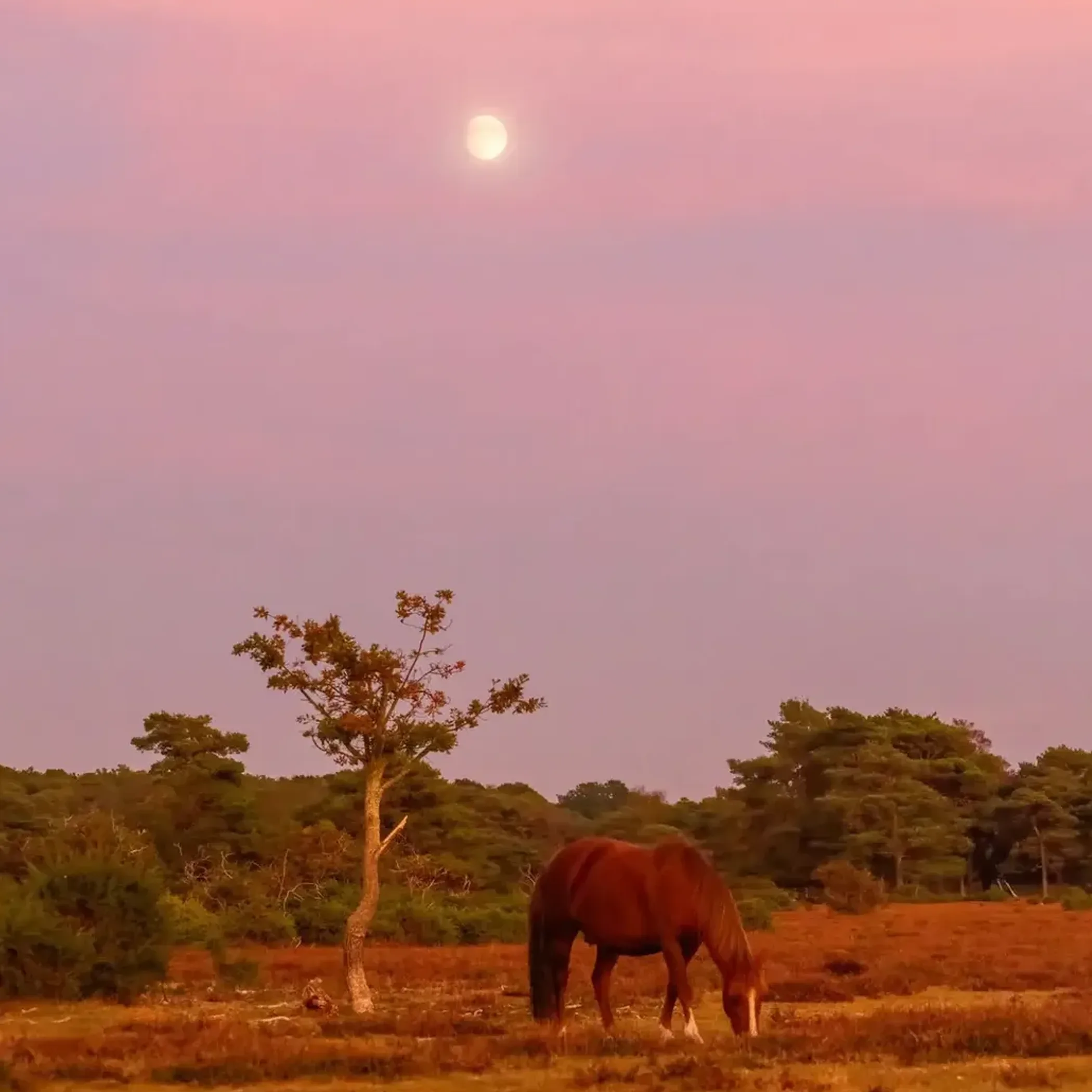
There is no clapping, whistling or luring them into a more photogenic spot. Early on in Queensland I would putter towards any movement in the scrub only for the creature to be gone before I knew what it was. I was trying to collect sightings rather than see wildlife.
Make A Three-Minute Pause
Now I stop and let the bush settle. And when an animal is spotted, I make a point of a three minute pause before any photography. Relaxed arms, a low voice and no abruptness. For most it takes the first minute to get calm. With the second one you will see if there is movement in the water or behind some leaves; the third will indicate a change in the scene brought about by your being there. Should the animal decide to make its exit, so be it.
Stay On Legal Tracks
There are marked paths and access points for a reason, as well as viewing platforms. Straying from them not only puts you in areas that may be off limits for nesting, bushfire recovery, rehabilitation or cultural purposes but can also put an end to the seedlings, burrows and insects you would not see at standing height. In the Top End heed the wet season and crocodile warnings. Out in the Red Centre or the Pilbara the conditions are more exposed so have sufficient water with you; a track may be as flat as a pancake yet still be hot and loose underfoot, and a good distance from the dunny.
Reduce Your Footprint And Noise
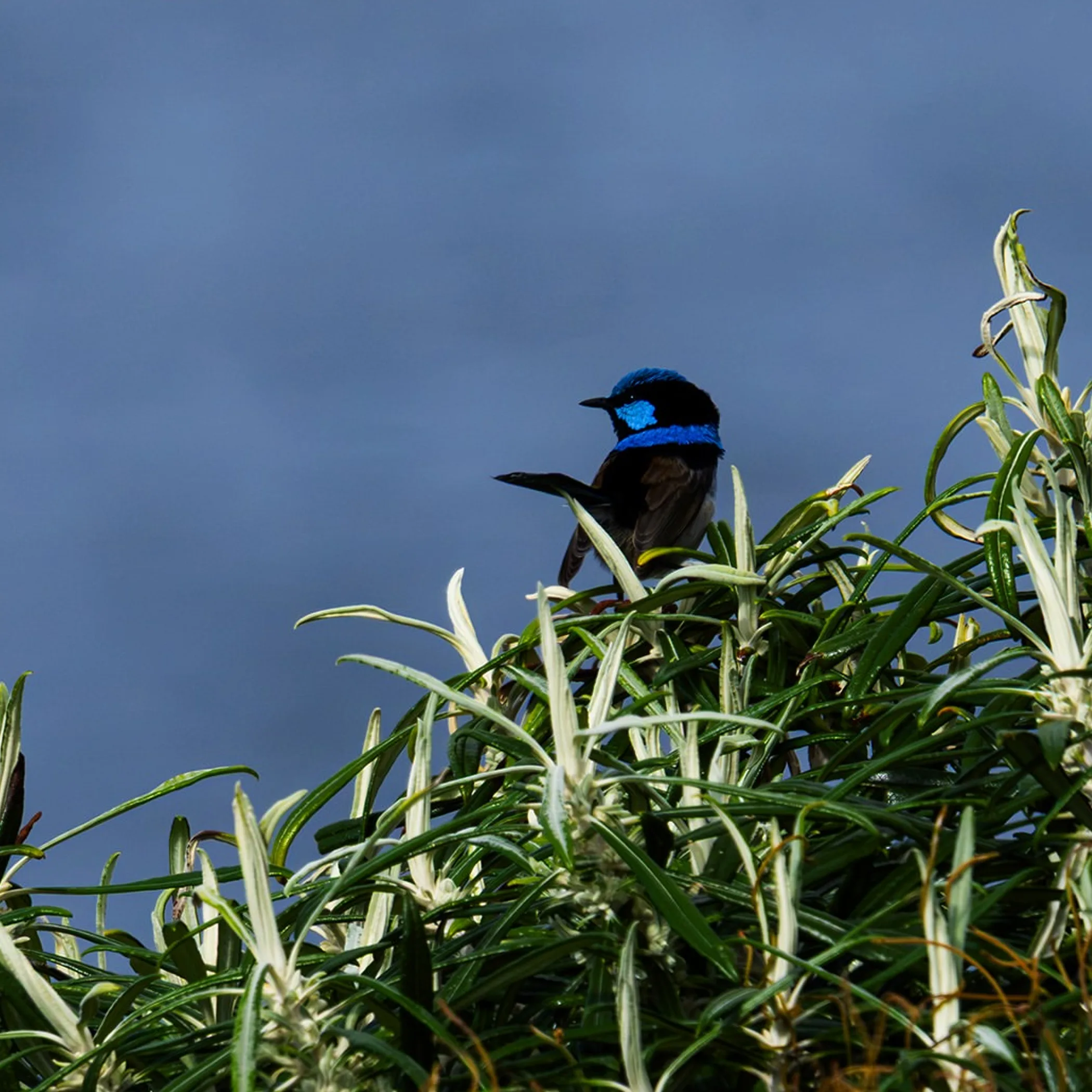
Unnecessary noise has the effect of altering how animals feed, rest and communicate. The simplest way to put right is to let nature provide the sound, put your phone on silent and keep your voice down. A large group in high spirits will cause more of a stir than a small one. When in the company of children set them to a quiet task like tallying bird calls or spotting some movement instead of having them run after what they have seen.
Field Checklist For Low Impact
- Where you can, put an end to any sounds from camera, radio or phone.
- Reuse your water bottle and leave no rubbish behind.
- Do not let dogs near wildlife unless the rules are explicit.
- Confine parking to the bays provided and do not idle at a viewing site.
- For night walks that are within the law a torch with a red-light is advisable.
- Make sure you have checked the tides, weather and any closures prior to departure.
Vehicle noise is something to consider as well. Put on the brakes when you come to a wildlife sign, particularly at the change of day. You will do damage to habitat or put small creatures in the way of tyres if you drive over mudflats, beaches or unmade tracks.
Wildlife Is Not To Be Touched Or Fed
Human food will make an animal ill and condition it to think of people as a convenient source of meals, not to mention the likelihood of it venturing onto roads or into picnic spots. Feeding a kangaroo is no harmless thing to do on holiday; it can be a vector for disease and foster aggression while diminishing foraging ability. This goes for dingoes, possums, wallabies and any urban creature that seems to be making polite overtures to birds. They are not perusing the menu.
The Harm In Touching
A wild animal can be spooked by contact, or its fur and feathers damaged, and oils transferred. Do not pick up an animal for a photo on the grounds it is injured or looks placid. An encounter with an injured native should be from a distance; put pets and others away and get in touch with the park authority, council or a rescue service. Only give it food or water if told to by someone qualified.
Responsible Photography
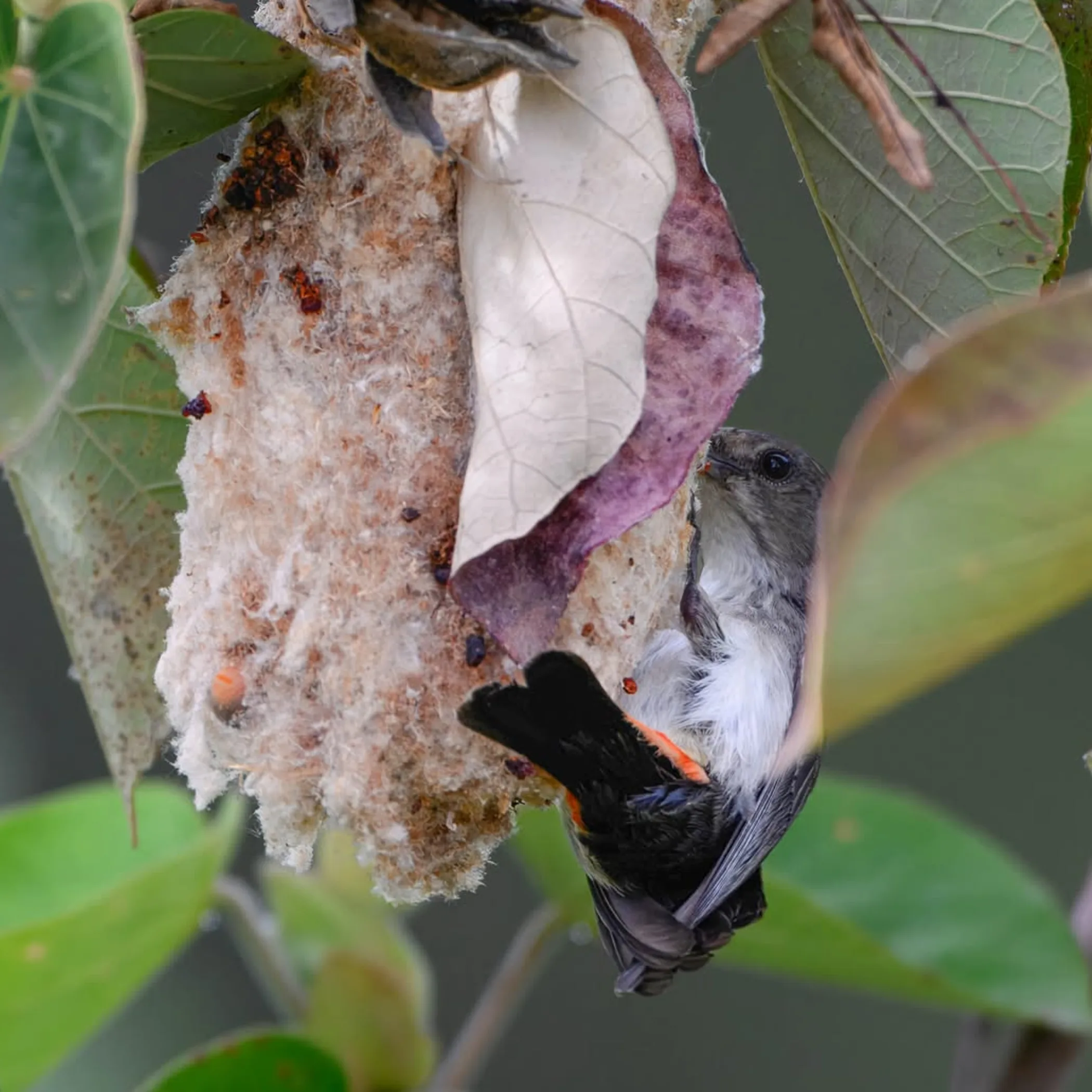
One’s etiquette in front of the camera is to first ensure the position does not put the animal in the open or direct sun or obstruct a path. Long lenses are to be preferred to flash and imperfect conditions accepted; a picture of an undisturbed subject is preferable to one obtained by way of harassment, even if it is not perfectly in focus.
Preserve Natural Behaviour
Leave the bait, calls and playback recordings alone unless part of an authorised research project. It is not for a guide to put the group in contact with a reptile or expose a nest. With nocturnal species and birds the flash should be off as it can be unsettling. If you must use a torch at night do not train it on eyes, use minimal light and aim it at the ground.
And do not geotag the location of a den, nest or where a threatened species is to be found. A precise co-ordinate will draw in those wanting a better shot or collectors; general area information is fine to share.
Opt For Ethical Experiences
An operator running a low-impact tour in Australia will have the welfare of the animal before a sure-fire sighting. Question them on their waste management, how they deal with stress in an animal and avoid crowding. Good guides will tell you of behaviour and not put in an offer of cuddles. They will keep the required legal distance and are not above calling off an activity if the tides or weather dictate.
Sanctuaries And Solar Boats
Zero-wake cruises and solar-electric boats on the Daintree River serve to cut down on engine disturbance along the banks. Solar Whisper is one such name in Queensland for its quiet electric cruising. Before putting in a booking however, verify the safety procedures and operating details.
A wildlife sanctuary is an ally to conservation provided it has the right enclosures, puts money into rehabilitation and can tell you what animals are fit for a return to the wild. For a case in point on habitat protection, koalas or bushfire recovery, one might look to the Hanson Bay Wildlife Sanctuary of South Australia. Do make sure of the opening arrangements as they are liable to change in the region.
Put some questions to the facility: is there any hand-feeding for the edification of visitors? Is contact with the animals obligatory? Does the place put some history to the animal? A sanctuary ought to be about making native species comprehensible to its guests, not using them as a prop.
Match Your Tips To The Species At Hand
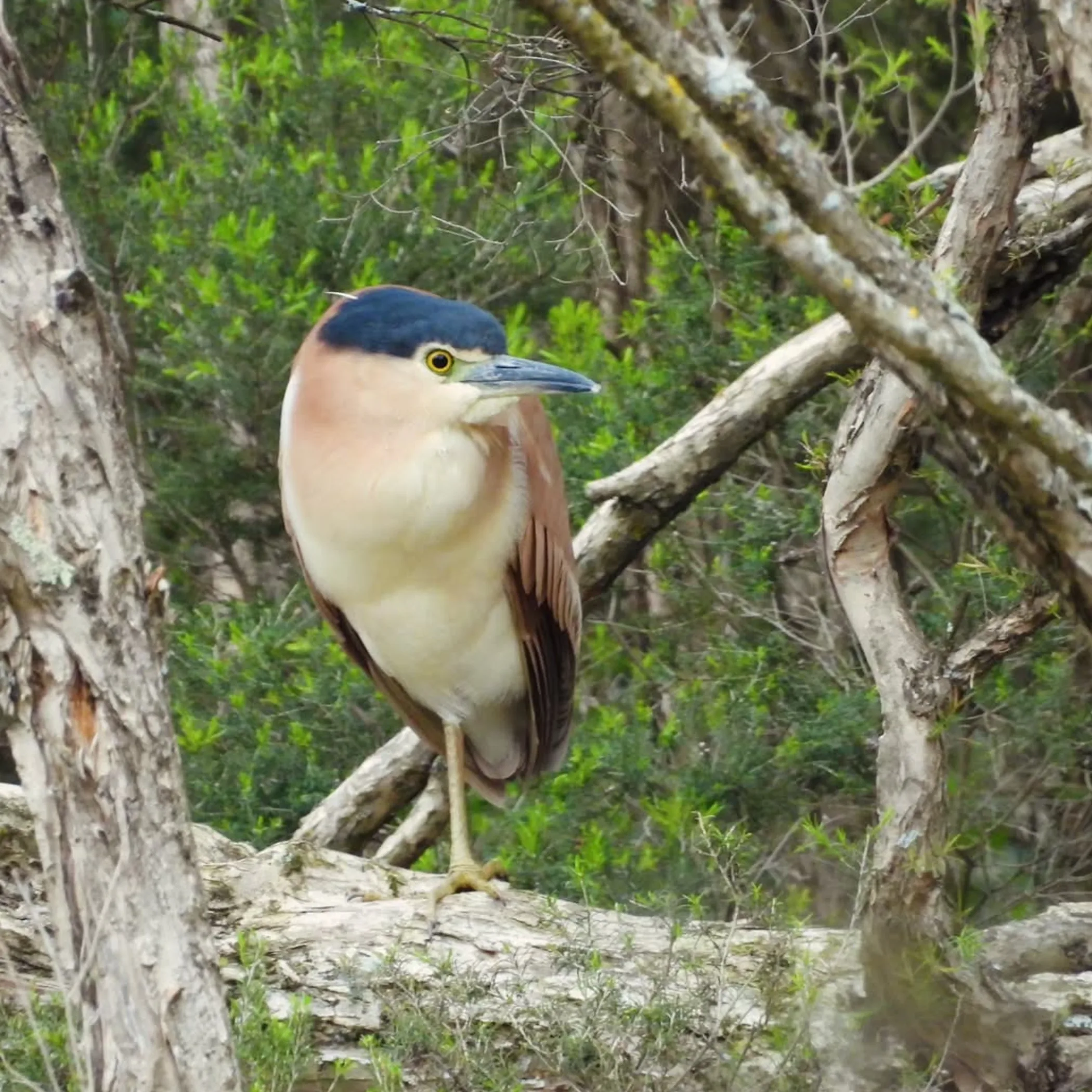
You will find that a quiet forest bird and a river with crocodiles do not respond to the same treatment; different animals have their own ways. Make yourself familiar with the species in advance and heed any local admonitions.
Koalas And Kangaroos
Do not be tempted to call out to a koala or coax it from a tree, they are apt to rest for hours. If the rules of access allow, you may stand under the tree but keep your voice down and be off if the animal shows any sign of being roused or makes to leave.
With kangaroos, give them room to get away. An adult male is no trifling matter in the breeding season so never put yourself between the animal and its water, its young or the group. Hold children close, eschew any abrupt move and forget crouching for a selfie with a wild one.
Crocodiles And Birds
One should exercise due care around saltwater crocodiles. Heed the warning signs and remain behind any barrier; do not go to the edge of a creek or billabong for vantage’s sake. Swimming or even washing dishes is not to be done in crocodile country unless the authorities have made plain the area is safe.
Birds will forsake a nest if they are harried, so stay clear of nesting and breeding colonies. There is more to be seen by a birdwatcher who is quiet than one who is not. Use your binoculars and the marked paths and observe the proper distance.
Plan A Safer Outing
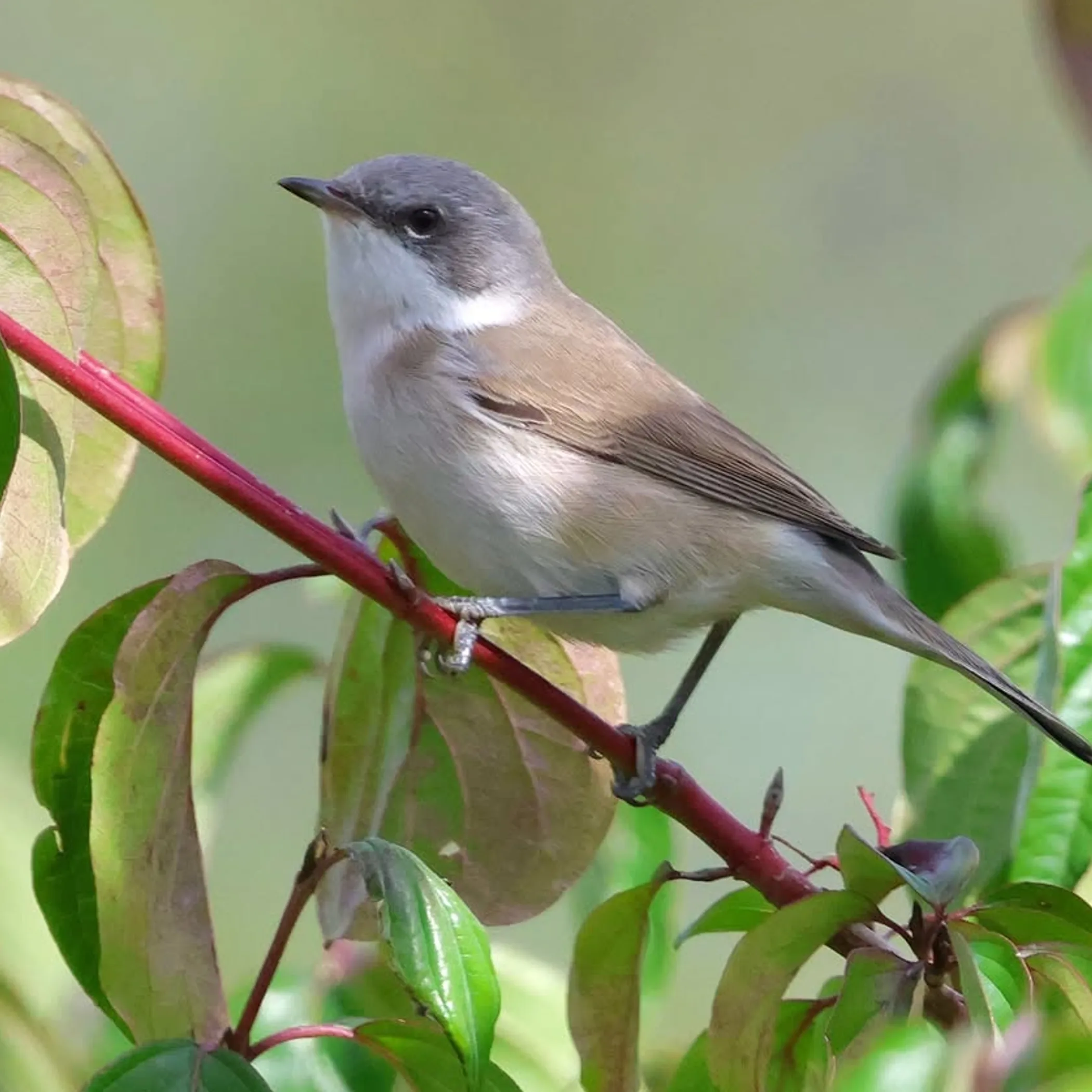
Some forethought takes the strain off the traveller and the wildlife alike. Before you set out, see what the park authority has to say on the matter of permits, road and weather conditions and any closures. The rules in Western Australia or the Northern Territory are not the same as in Queensland or South Australia.
The Right Trip
| Experience | Best For | Key Preparation | Main Risk |
|---|---|---|---|
| Daintree River cruise | Birds, reptiles and other river life | Engage a quiet operator and be mindful of the tides and rain | The wet season can mean flooding and treacherous footing |
| Hanson Bay Wildlife Sanctuary | Learning about koala conservation | Factor in a few hours and check the opening times | Road closures or areas still recovering from fire |
| Ningaloo Reef | Marine wildlife and low-impact activities | Mind the wind, sun and operator’s regulations | Currents and heat |
| Local bush track | Insects, small mammals and birds | Have a map, water and a charged phone | Uneven ground and the chance of getting lost |
When time is short and you have but a day, resist the urge to putter from one place to another. Pick an accessible site and put in more time where the welfare rules are well defined and there is shade and a dependable way back.
Then again, not all of this is for the novice. You will want to be better prepared for the Gibb River Road or unmarked coastal stretches and crocodile territory. Travellers would do well to forgo going it alone in the remote desert or where there is a risk of flood, no reception or issues with Aboriginal land access. Get the necessary permission, an NT Parks Pass for instance if called for.
Some Practical Cost Planning
One should not be under the impression that wildlife watching is without cost; there are expenses for fuel, park entry, food and lodging to put aside, as well as any tour fees. These will differ from one region or operator to another. You may find a guided half-day to be pricier than going on foot by yourself but what you pay for is local expertise, safety gear and a contribution to conservation.
Then there is the matter of permits and parking regulations. Do not be tempted to save money by overlooking them. A fine, an emergency recovery or a vehicle in need of repairs will put an end to what was meant to be an inexpensive day out. Make sure your tyres are up to the road, have water on hand in case of delay and let someone know when you intend to be back.
If you are making plans to see the wildlife in Queensland, it is best to look at the Queensland Parks and Wildlife Service for the latest on access and park conditions first.
Frequently Asked Questions
We have put together some of the questions most likely to trip people up. The answer is often straightforward: take the pressure off, give the wildlife room and recognise that nature does not accept reservations.
How To Watch Australian Wildlife And Not Disturb It
Be quiet, make use of binoculars or a telephoto lens and hold your distance. Stick to the marked tracks. Should an animal decide to come near, so be it. But if it ceases to feed, makes an alarm call, keeps its eyes on you or alters course, then you should withdraw.
Photographing Wildlife In An Ethical Manner
Passive observation with natural light and a long lens is the way to go. There is no place for flash, bait, playback calls, chasing or in the way of an escape route. Touching is out of the question. The welfare of the animal and its natural behaviour must come before any photograph.
Is It Wise To Get Up Close To Wild Koalas Or Kangaroos?
Not at all. They can be sudden in their reactions and require space, even in a relaxed state. Do not put yourself between an animal and its means of escape, food or water, nor stand around young ones or encircle a group.
The Case Against Feeding Wild Animals In Australia
It is a bad idea. For one thing it can lead to illness, disease and poor nutrition, not to mention aggression and unsafe proximity to roads or people. It puts an end to natural behaviour. Resist the urge to offer food even if the animal is very persuasive about it.
What Of An Ethical Wildlife Tour?
The operator will adhere to the rules, handle waste, limit the pressure on the group and have no time for feeding or handling. If the animals are stressed they will alter their plans. Expect a clear explanation of conservation efforts and do not be sold on the promise of guaranteed close encounters.
Where Are Peaceful Animal Viewing Locations In Australia?
For a bit of peace in Australia there are good viewing spots. The Daintree River has its quieter parts with the right operators, as do the approved areas of a sanctuary like Hanson Bay. One can also find local birdwatching tracks or a marine tour at Ningaloo Reef that is well run. But check on tides, weather, any closures and the necessary permits prior to your trip.
Leave The Wildlife Unimpressed
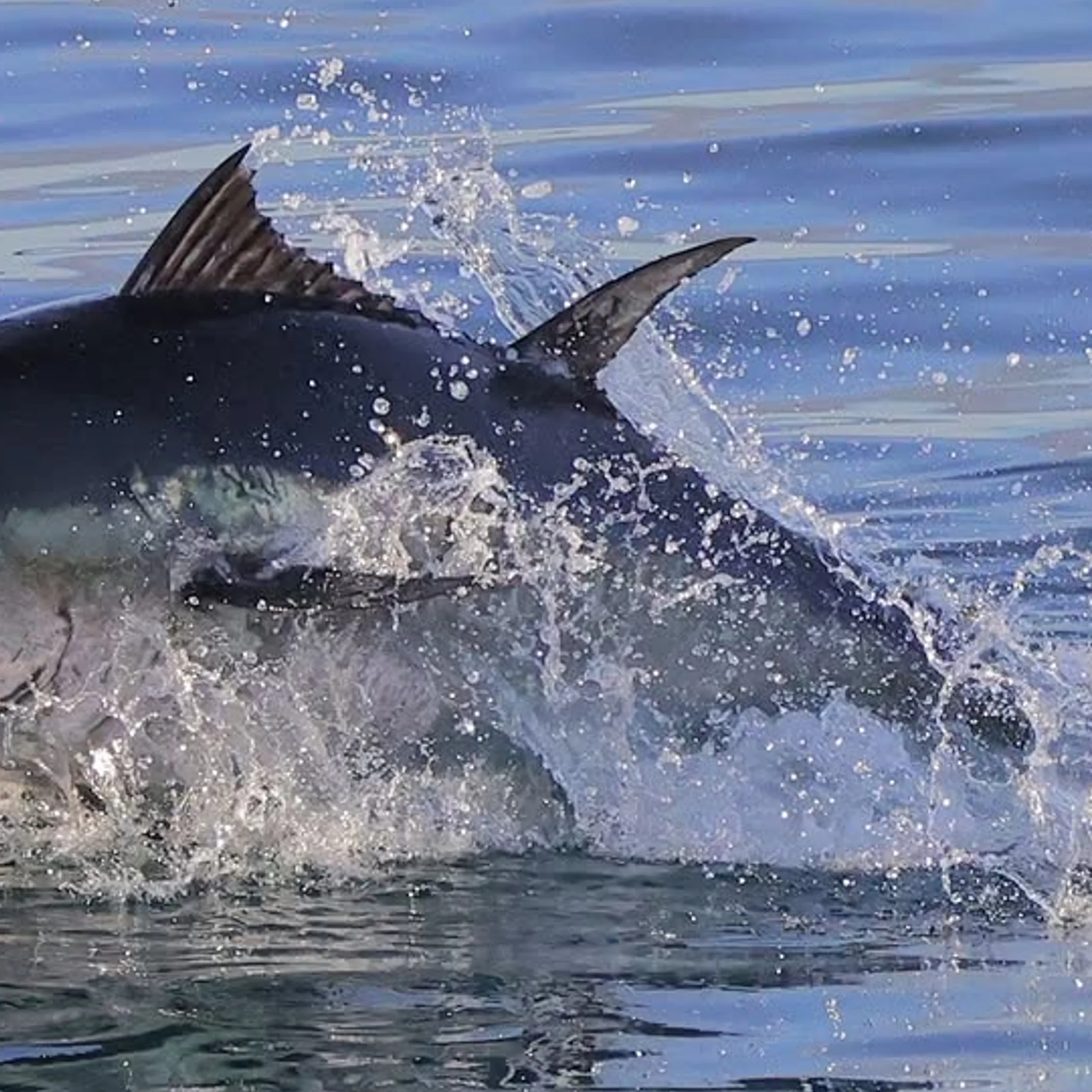
Ethical watching across Australia is not about having an animal take note of you. Rather, you want to depart and have it carry on as if you had not been there.
So have a plan, pack your binoculars and some patience. Put the mozzies off, don’t raise your voice and make the most of the quiet. A crocodile making for the water with nobody in attendance, a kangaroo in the shade or a bird back at its nest can be an encounter worth having, even if you have little control over it.
